
News
Mexico opens a jubilee year for the centenary of the Cristero Resistance
Mexico’s bishops open a jubilee year for the centenary of the Cristero Resistance; Leo XIV grants a plenary indulgence, from 22 November 2026 to 21 November 2027.
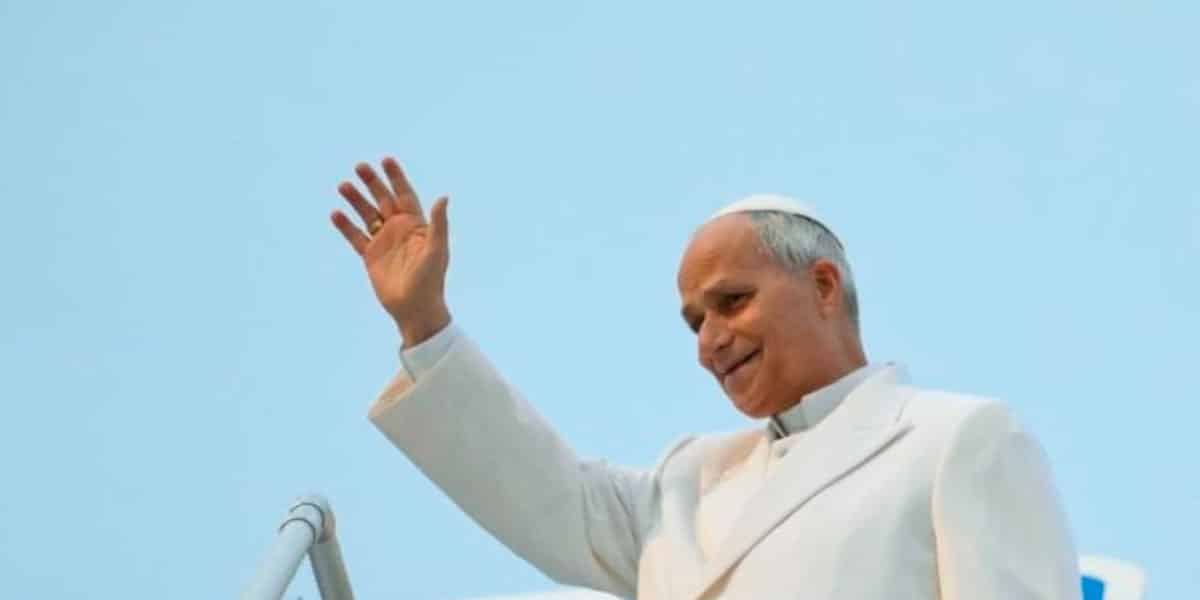
Meeting in plenary assembly from 9 to 13 November 2026, the bishops of Mexico announced a jubilee year for the centenary of the beginning of the Cristero Resistance. It will open on 22 November 2026, the solemnity of Our Lord Jesus Christ, King of the universe, and close on 21 November 2027. For the occasion Pope Leo XIV, through the Apostolic Penitentiary, has granted a plenary indulgence; the decree conceding it is to be read in every particular Church on 22 November, the feast of Christ the King.
The announcement was carried by the president of the episcopal conference, the bishop of Cuernavaca. The indulgence is obtained on the usual conditions — sacramental confession, Eucharistic communion and prayer for the intentions of the Supreme Pontiff — to which is added a visit to shrines of the Mexican martyrs, among them that of Christ the King on the Cerro del Cubilete. The bishops say they wish to “commemorate the deed of those who defended religious liberty and kept the faith amid the religious conflict provoked by the entry into force of the Ley Calles in 1926,” and to “remember the witness of those who, a hundred years ago, remained faithful to Jesus Christ and to his Church, even to the giving of their own lives.”
A reporter’s caution is in order. The watchword of the jubilee is given variously — now in the formula “Su fe, nuestra memoria; su testimonio, nuestra misión” (their faith, our memory; their witness, our mission), now in the cry of the martyr Anacleto González Flores, shot in 1927, “I die, but God does not die. Long live Christ the King.” And the precise text of the Penitentiary’s decree — the shrines named and the exact conditions — has not been published word for word. We therefore report the gift conceded, not what no one has yet read.
The tradition: the reign of Christ and the price of martyrdom
The Church had already judged what this jubilee commemorates. On 11 December 1925, a year before the persecution broke out, Pius XI instituted the feast of Christ the King by the encyclical Quas Primas, setting against the revolt of states against God the kingship of Jesus Christ over men and over cities. It was under that kingship that the cristeros fell; it is in it that the feast today opens their jubilee.
The Church does not honour her martyrs out of sentiment. The Catechism of the Council of Trent teaches, in the ninth article of the Creed, the communion of saints: the faithful form but one body and share a common treasure of spiritual goods. It is this treasure, enlarged by the blood of the martyrs, that the indulgence dispenses. The Lord himself fixed its price: “Greater love than this no man hath, that a man lay down his life for his friends” (John xv. 13).
That the Church holds from Christ the power to grant indulgences, and that their use is salutary, the Council of Trent defined in its twenty-fifth session. The indulgence does not blot out the fault, which contrition and absolution alone remit, but the temporal punishment due to sin already forgiven. Nothing automatic, nothing magical: a gift of the Church on the conditions she sets.
The measure
On this point the act accords with tradition, and it must be said as plainly as one would say a rupture. The persecution being commemorated, the Apostolic See condemned in its own day. On 18 November 1926, Pius XI denounced the Calles laws in the encyclical Iniquis afflictisque and saluted the constancy of the Mexican faithful who kept the faith at the cost of their liberty and their lives. To make memory today of those same faithful, under the kingship of Christ that Pius XI had just proclaimed, is to prolong the judgment of the Church, not to invent it.
One word calls for precision. The bishops attach their commemoration to “religious liberty” and to “the dignity God has given to every person.” What the cristeros defended, and what Pius XI demanded, was first the liberty of the Church: the right of Christ the King to reign and that of the baptised to live their faith without a state proscribing it. It is this concrete liberty that the centenary honours, and it is at that height that it stands.
The president of the conference was careful to specify that these events are remembered “not to reopen wounds, to nourish resentments, nor to designate enemies.” Tradition asks nothing else: the martyr does not avenge, he bears witness.
What the faithful take from it
The centenary invites not nostalgia for a war, but imitation of a fidelity. Whoever would gain the indulgence will gain it as the Church has always taught — by confession, communion and prayer for the Pope’s intentions, visiting the places where the witnesses rest. And whoever would honour the cristeros will hold what they held: that Christ is King, by right over every soul and every city, yesterday under the Ley Calles, and still today.
Sources. Pius XI, encyclical Quas Primas (1925), on the kingship of Our Lord Jesus Christ; Pius XI, encyclical Iniquis afflictisque (1926), on the persecution of the Church in Mexico; Council of Trent, twenty-fifth session (1563), decree on indulgences; Catechism of the Council of Trent (1566), ninth article of the Creed, on the communion of saints; Gospel according to Saint John, xv. 13 (Douay-Rheims, from the Vulgate).