
Roman calendar of 1962
Most Holy Name of Mary
Sanctissimi Nominis Mariae
Third Class · white
The saint the Church keeps today, from the Roman calendar of 1962 — his life, and the oration the Mass says of him.
His life
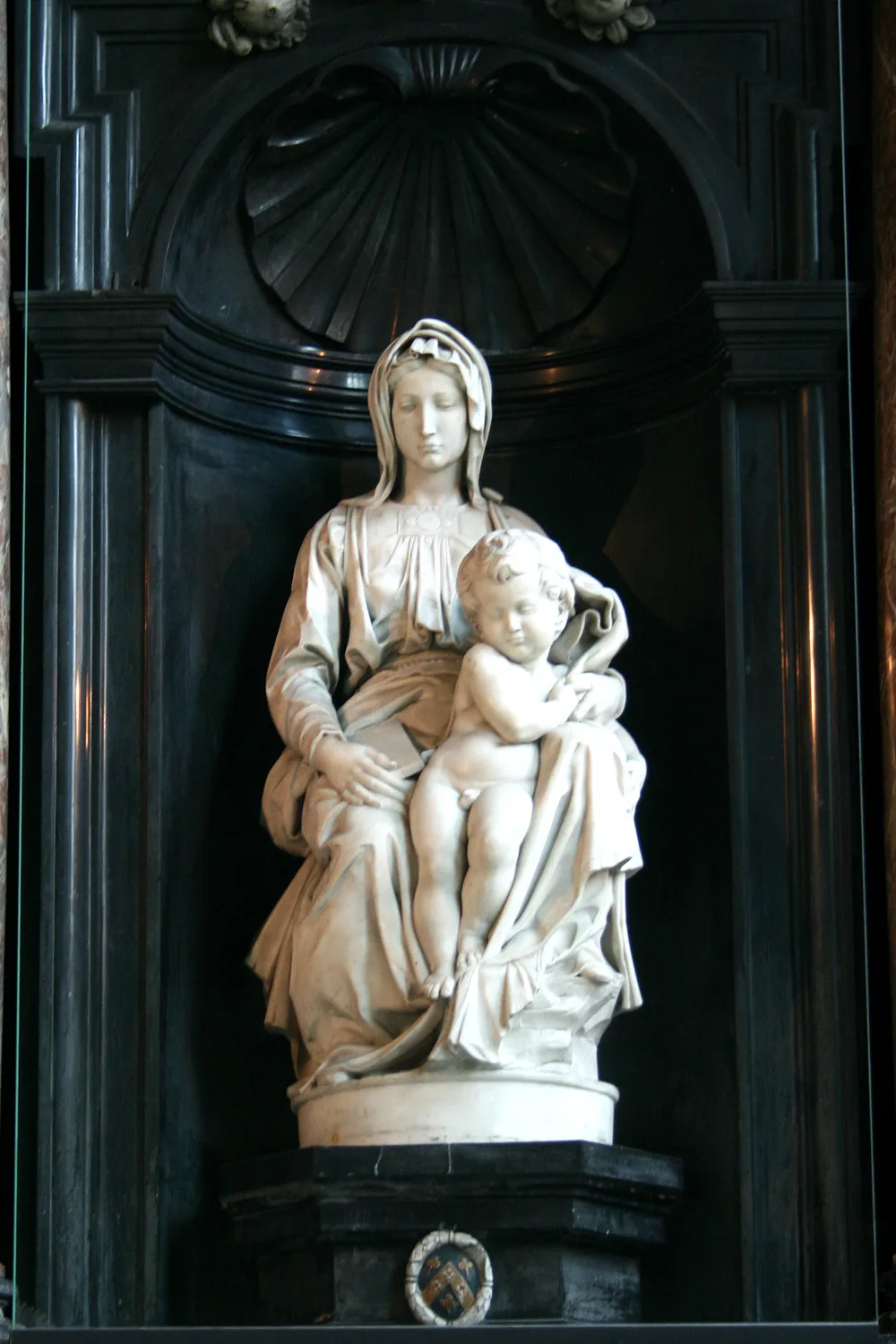
The object of this feast is our blessed Lady bearing the name of Mary; it was instituted that the faithful might in a special manner recommend to God, through the intercession of His all-holy Mother, the needs of the Church, and thank Him for His protection and mercies. The feast was allowed at Cuenca in Spain in 1513, and in 1683 Pope Innocent XI extended it to the whole Western church as an act of thanksgiving for the raising of the siege of Vienna and the defeat of the Turks by John Sobieski, King of Poland. It is now kept on the date of Sobieski's triumph. The great devotion to the holy name of Jesus, identified in part with the preaching of St Bernardino of Siena, naturally prepared the way for a similar commemoration of the holy name of Mary. The name derives from Miryam, our Lady's name in Hebrew.
— Butler's Lives of the Saints
Oration of the day
Concéde, quǽsumus, omnípotens Deus: ut fidéles tui, qui sub sanctíssimæ Vírginis Maríæ Nómine et protectióne lætántur; ejus pia intercessióne a cunctis malis liberéntur in terris, et ad gáudia ætérna perveníre mereántur in cœlis.
Grant, we beseech You, almighty God, that through the protection of the most holy Virgin Mary, Your faithful people who delight in her name may, by her loving intercession, be delivered from all evils on earth and be found worthy to attain everlasting happiness in heaven.
℟ Per Dóminum nostrum Jesum Christum, Fílium tuum: qui tecum vivit et regnat in unitáte Spíritus Sancti Deus, per ómnia sǽcula sæculórum.
℟ Through Jesus Christ, thy Son our Lord, Who liveth and reigneth with thee, in the unity of the Holy Ghost, God, world without end.
℟ Amen.
℟ Amen.
Iter Fidei — The lessons of Matins, the Mass, the corpus's novenas, offline.
Download the applicationThe saint of the day, in short
Each day the Church keeps the memory of a saint — sometimes two, sometimes none when the feria or the feast of the season prevails. The sanctoral holds these memories on fixed dates while the temporal follows the life of Christ; rules of precedence settle which of the two is celebrated.
The rank of the day is read in its class, from the first to the fourth, and in its colour: white for virgins and confessors, red for martyrs. A third-class saint has his own Mass and office; a saint merely commemorated has only his oration, added to the day's.
The calendar of 1962 is not that of 1969: saints stand in it who were later removed, and others on other dates. What this page gives is the first, and the lives quoted come from Butler's Lives of the Saints.
Common questions
- Why is the saint different from the one on my calendar?
- Because the reform of 1969 moved, merged or removed a great many feasts. This page follows the Roman calendar of 1962.
- What happens on days with no saint?
- The feria or the feast of the season prevails, and the page gives what the Church keeps that day — the office of the season, with its colour and its class.
- Where do the lives come from?
- From Butler's Lives of the Saints, and for the meaning of the day from the commentaries of Dom Guéranger. The source is always named beneath the text.
- Can I pray a novena to this saint?
- Only if he has one: the corpus holds a hundred and thirty-seven, and they do not cover the whole calendar. The application says which exist; it invents none.