
The Faith
What Does God Say About Masturbation?
What God says about masturbation, plainly and without softening: self-abuse is a grave sin against the Sixth Commandment and against the order God has set in the body, with the Church's remedies for the soul that struggles.
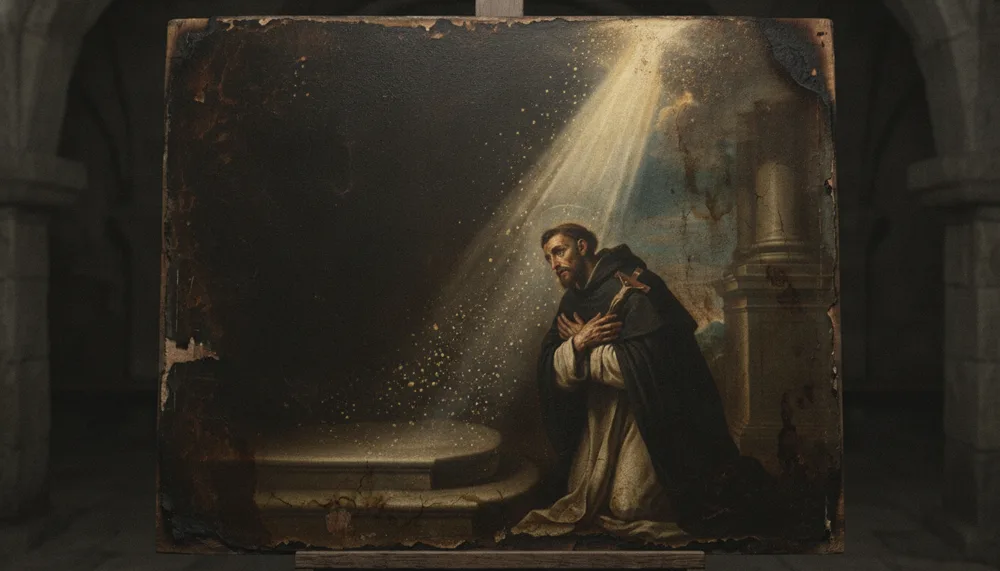
Masturbation, what the moral tradition calls self-abuse, is a grave sin against the Sixth Commandment and against the virtue of chastity. Is masturbation a sin? Yes, and a mortal one when committed with knowledge and consent, because it is a deliberate misuse of the generative faculty against the order God has fixed in it. We state this plainly, as the Church has always stated it, and we state it alongside the other half of the truth: that no soul who struggles is beyond the reach of grace, and that the Church offers real and ancient remedies to anyone who wants to be free.
What does the Bible say about masturbation?
Scripture does not catalogue every act by a modern clinical name, but it condemns the whole class of sins to which this one belongs without any softening. St Paul writes to the Corinthians: "Know you not that the unjust shall not possess the kingdom of God? Do not err: Neither fornicators nor idolaters nor adulterers nor the effeminate nor liers with mankind nor thieves nor covetous nor drunkards nor railers nor extortioners shall possess the kingdom of God" (1 Corinthians vi. 9-10, Douay-Rheims). The sin we are treating sits inside that list of impurities barred from the kingdom.
The same Apostle gives the deepest reason it is grave: it is a sin against one's own body. "Fly fornication. Every sin that a man doth is without the body: but he that committeth fornication sinneth against his own body" (1 Corinthians vi. 18). And he gives the motive for purity that no Christian can evade: "Or know you not that your members are the temple of the Holy Ghost, who is in you, whom you have from God: and you are not your own? For you are bought with a great price" (1 Corinthians vi. 19-20). To St Paul the body is not a thing to be used for private pleasure; it is bought, consecrated, and owed to God. He numbers among "the works of the flesh" both "uncleanness" and "immodesty" and warns "that they who do such things shall not obtain the kingdom of God" (Galatians v. 19-21). What the Bible says about masturbation, then, is what it says about every deliberate uncleanness: it shuts the door of heaven against the unrepentant. For how these scriptural condemnations are gathered into the settled doctrine of the Church, see what the Church teaches about masturbation.
Why it is a grave sin: St Thomas and the order of nature
The Church's clearest analysis comes from St Thomas Aquinas, who treats lust and its species in the Summa Theologica. He teaches that the use of the generative power is ordered by God toward the begetting and right rearing of offspring, and that any deliberate venereal act which by its own kind frustrates that end is contrary to right reason and to the order of nature (Summa Theologica II-II, q. 154, a. 1 and a. 11). Under the heading of the unnatural vice he expressly lists "the sin of self-abuse," which he calls mollities, the procuring of pollution apart from natural union, as one of the species of lust against nature (II-II, q. 154, a. 11).
St Thomas goes further, and his judgment is sobering. Among the species of lust, he teaches that the sins against nature, the act being considered in itself, are graver than even fornication or adultery, because they offend not only against right order between persons but against God the Author of nature, whose ordinance of the generative act they directly contradict (II-II, q. 154, a. 12). The gravity lies precisely in turning a faculty God made for life back upon itself for sterile pleasure: the act is disordered in its very object, not merely by some added circumstance. For the framework that places such an act among mortal sins, see our treatment of mortal and venial sin, and the wider map of the seven deadly sins of which lust is one.
What the Catechisms teach on the Sixth Commandment
The traditional catechisms speak with the same firmness. The Catechism of St Pius X asks what the Sixth Commandment forbids and answers: "The Sixth Commandment, Thou shalt not commit impurity, forbids us every act, every look, every word contrary to chastity." Asked whether impurity is a great sin, it answers without qualification: "It is a most grievous and abominable sin before God and before men; it debases man to the condition of the brute beasts, draws him into many other sins and vices, and brings down the most terrible chastisements in this life and in the next." The Roman Catechism of the Council of Trent teaches, with St Ambrose and St Augustine, that this Commandment "extends to all that is dishonourable and impure," and that the man who sins against purity "sinneth against his own body, that is to say, he does himself an injury by profaning his own holiness." For the place of this precept in the whole Law, see the Ten Commandments.
The Church is careful, however, on one point that troubles many souls. The Catechism of St Pius X teaches that "the thoughts that come into our mind against purity are not in themselves sins; they are rather temptations and incitements to sin." Such thoughts become sins only "when we give occasion to them in a culpable manner, or when we consent to them, or when we expose ourselves to the proximate danger of consenting to them." The temptation suffered and resisted is not the sin; the consent of the will is. This is the same distinction the Church draws across all matters of purity, including in our articles on sex before marriage, on dating, and on the betrayal of married fidelity in what God says about cheating.
To the soul that struggles: the remedies
We do not write this to crush anyone. The teaching is firm against the act and tender toward the person, and the Church that names the sin also hands the soul its weapons. The remedy is not despair and not presumption, but the ordinary, supernatural means she has always prescribed.
The first is Confession. No habit, however long or however often repeated, is beyond the absolution of the priest; the sacrament exists precisely for those who fall and rise again. On its rightful use, see what is confession. To it the tradition joins frequent Communion, for the Roman Catechism teaches that "the most powerful means to repress and reduce" this passion "are frequent Confession and frequent Communion, together with assiduous and fervent prayers, almsgiving, and fasting. Chastity is a gift of God, which He never refuses to those who ask for it as they ought."
The Catechism of St Pius X lists the rest plainly. To keep the Sixth Commandment "we ought to pray to God often and from the bottom of our heart, to be devout to the Virgin Mary, Mother of purity, to remember that God sees us, to think on death," and "to guard our senses, to practise Christian mortification." This is the custody of the eyes and the senses, the refusal of the look that the Roman Catechism calls what "most ordinarily kindles the impure passion." And it commands the soul to flee the occasions: "to flee idleness, evil company, intemperance, to avoid indecent images, licentious shows, dangerous conversations, and all other occasions of sin." In an age of screens this counsel is exact: the man serious about purity removes from his reach what feeds the fire. This is the daily spiritual combat, and the soul does not fight it alone; the prayer to St Michael has been the Church's weapon against the enemy who tempts to such ruin, and devotion to the Sacred Heart of Jesus is the surest shelter for a wounded chastity.
A traditional prayer for purity
The tradition gives words to ask for this gift. To the Blessed Virgin the faithful have long prayed:
O Mary, my Mother, I kneel before thee with heavy heart. The burden of my sins oppresses me. Keep me, dear Mother, that I may never again displease thee by sin. Mother of Perpetual Help, pray for me and obtain for me the grace to overcome temptation. Grant that I may love thee always, and serve thee faithfully unto death. O Mother of God, by thy spotless purity make me pure of heart and body.
Said daily, joined to the morning offering and the examination of conscience at night, such a prayer fixes the soul's gaze where it belongs. For the wider treasury of Catholic prayers and Catholic devotions the Church gives for the war on the flesh, the Iter Fidei collections set them out in full.
What God says
God says that the body is bought with a great price and made the temple of the Holy Ghost, and that to misuse the generative faculty against its God-given order is a grave sin against chastity and against nature itself. This is the constant teaching of Scripture, of St Thomas, and of the catechisms, and we do not soften it. But the same God who forbids the sin commands no soul to despair of it. He offers the sacraments, the intercession of the Mother of purity, and a grace He never refuses to those who ask as they ought. The firm word and the merciful one are the same word: turn from it, and live. For the related questions a faithful reader asks, see our what does God say about series.
Frequently Asked Questions
Is masturbation a mortal sin?
Yes. Committed with full knowledge that it is gravely wrong and with the deliberate consent of the will, it is a mortal sin, because its object is itself grave matter: the deliberate misuse of the generative faculty against the order God fixed in it. St Thomas places it among the sins against nature, which he judges graver in their kind than even fornication (Summa II-II, q. 154, a. 11-12). Where full knowledge or full consent is lacking, the guilt is lessened, but the act remains objectively disordered and must be confessed.
Does the Bible specifically mention masturbation?
Scripture does not name the act by a modern clinical word, but it condemns the whole class of impurity to which it belongs. St Paul bars "the unclean" and "the effeminate" from the kingdom of God (1 Corinthians vi. 9-10) and teaches that the body, bought "with a great price," is "the temple of the Holy Ghost" and not our own to misuse (1 Corinthians vi. 19-20). The Church has always read these texts as forbidding every deliberate uncleanness, this one included.
Is masturbation a sin if you are not married?
It is a sin in every state of life, married or single. The act is wrong not because it lies outside marriage but because it is in itself a misuse of a faculty God ordered toward life within marriage. No state of life and no circumstance can make it lawful; the unmarried are bound to chastity exactly as the married are.
Are impure thoughts and temptations themselves sins?
No, not in themselves. The Catechism of St Pius X teaches that thoughts against purity "are not in themselves sins; they are rather temptations and incitements to sin." They become sinful only when we culpably give occasion to them, consent to them, or expose ourselves to the proximate danger of consenting. The temptation suffered and resisted is no sin but an occasion of merit; only the consent of the will offends God.
How do I stop masturbation as a Catholic?
By the ordinary supernatural means the Church has always prescribed: frequent Confession, frequent Communion, daily prayer, and devotion to the Blessed Virgin, Mother of purity. The Roman Catechism calls "frequent Confession and frequent Communion, together with assiduous and fervent prayers, almsgiving, and fasting" the most powerful means, and adds that "Chastity is a gift of God, which He never refuses to those who ask for it as they ought." Join to this the custody of the eyes and the flight from idleness, evil company, and the indecent images that feed the fire.
Do I have to confess masturbation before receiving Communion?
Yes. Because it is grave matter, a person conscious of having committed it with knowledge and consent must not receive Holy Communion until he has made a good sacramental Confession. To receive Our Lord in a state of mortal sin is itself a sacrilege (1 Corinthians xi. 27-29). The remedy is near at hand: no habit, however long, is beyond the absolution of the priest.
Is masturbation worse than fornication?
Considered in the act itself, St Thomas teaches that the sins against nature are graver than fornication, because they offend not only against right order between persons but against God the Author of nature, whose ordinance of the generative act they directly contradict (Summa II-II, q. 154, a. 12). This concerns the objective gravity of the kind of act; the subjective guilt of a given person always depends on knowledge and consent, which God alone weighs perfectly.
Can God forgive masturbation?
Without any doubt. God commands no soul to despair of any sin. The Sacrament of Penance exists precisely for those who fall and rise again, and the grace of chastity is one "He never refuses to those who ask for it as they ought." However long or often the sin has been repeated, sincere repentance and a good Confession restore the soul; the firm word against the act and the merciful word to the person are one and the same: turn from it, and live.
The Iter Fidei app carries the Douay-Rheims Bible, the catechism, and the prayers and devotions of the tradition in your pocket. Download it here.
Sources. Sacred Scripture, Douay-Rheims (1 Corinthians vi. 9-10, 18-20; Galatians v. 19-21). St Thomas Aquinas, Summa Theologica II-II, q. 154, a. 1, a. 11, a. 12 (on the species of lust and the sins against nature). Catechism of the Council of Trent (Roman Catechism, 1566), on the Sixth Commandment. Catechism of St Pius X (1908), on the Sixth and Ninth Commandments.