
News
A priest kidnapped and tortured for three days in Culiacán
In Culiacán, Mexico, a sixty-seven-year-old parish priest was kidnapped, beaten and burned for three days before being released in a deplorable state.
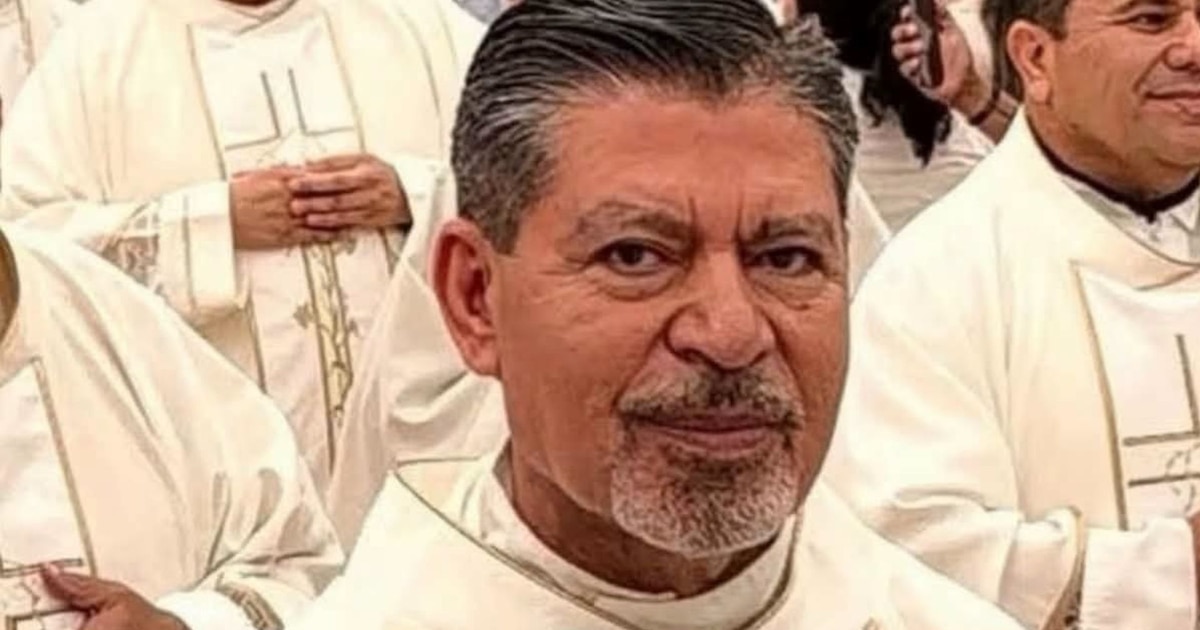
Father Clemente Morales Topete, sixty-seven years old, parish priest of the Church of the Risen Christ in the La Campiña district of Culiacán, capital of the Mexican state of Sinaloa, was kidnapped on the afternoon of Saturday, 24 October 2026. Held for three days by armed men, he was beaten and gravely burned while they demanded of him information he did not possess, and was threatened with death several times. He returned to his parish on Tuesday, 27 October "in a deplorable state," bearing the visible marks of the violence he had suffered, and was then taken to a clinic for specialized care. His injuries "did not place his life in immediate danger," but his recovery "will require time, care and a full accompaniment."
The law of God knows no ambiguity here. The fifth commandment forbids the striking, the maiming and the tormenting of a neighbour's body; and when the victim is a priest, consecrated to God and anointed for the service of the altar, the hand that tortures him adds sacrilege to cruelty. The Catechism of the Council of Trent teaches that this precept forbids not murder alone, but sets aside every violence and every injustice done against the life and integrity of another.
To those who govern belongs the sword. The Apostle teaches that the prince does not bear the sword in vain, that he is the minister of God to punish the evildoer and to protect the innocent. Where crime reigns and the authority itself admits that its measures "have not been enough," it is to this duty that the powerful must be recalled: not vengeance, but the justice that defends the weak.
The Bishop of Culiacán, recounting the ordeal in a statement of 1 November, asked the authors of this violence to "reflect on the evil they cause" and to "listen to the voice of their conscience," recalling that "peace is a shared responsibility, but that the authorities bear a particular responsibility from which they cannot withdraw." He entrusted his diocese to the intercession of Our Lady of the Rosary, its patroness.
We commend this priest, and all who suffer under violence, to the prayer of the Church; and we recall that he who sheds the blood of the innocent calls down upon himself the judgment of God, while the soul that fears only those who kill the body has not yet learned to fear Him who can destroy both soul and body in hell.
Sources. Catechism of the Council of Trent (1566), on the fifth commandment; Epistle of Saint Paul to the Romans, XIII, 1-4 (Douay-Rheims); Gospel according to Saint Matthew, X, 28 (Douay-Rheims).