
News
Summorum Pontificum pilgrimage says it has been barred from processing into St Peter's
On the eve of their annual procession, the organisers of the Summorum Pontificum pilgrimage say they have received a letter forbidding them to enter in procession the Basilica of St Peter to pray at the tomb of the apostle.
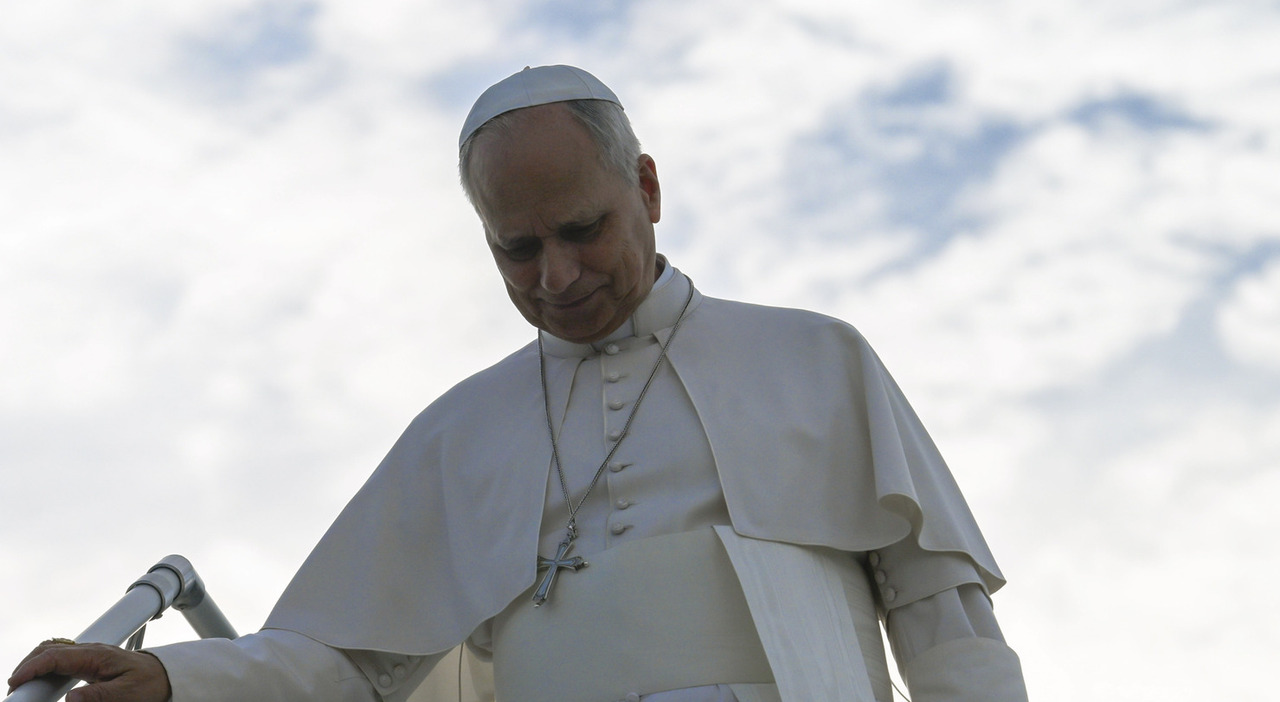
On the eve of their annual procession, the organisers of the traditional Ad Petri Sedem pilgrimage, known as the Summorum Pontificum pilgrimage, say they have received a letter from the Secretariat of State forbidding them to enter in procession the Basilica of St Peter, on Saturday 24 October 2026, to pray at the tomb of the apostle. “We shall not enter St Peter's tomorrow,” said the president of the organising association. This is the annual gathering, held for some fifteen years, of Catholics attached to the 1962 Roman Missal, come from several countries, a few hundred of the faithful.
From the beginning, the faithful go up to pray at the tomb of the prince of the Apostles. The Lord built his Church upon Peter: “Thou art Peter; and upon this rock I will build my church” (St Matthew, XVI, 18). To venerate the place where rests the body of him to whom the keys were given is to confess the unity of the Church and the communion of saints, which the Catechism of the Council of Trent numbers among the articles of the faith. Nothing in the perennial doctrine withdraws this access from the faithful who pray according to the rite received: he comes sub Petro et cum Petro, under Peter and with Peter.
The measure goes further than an earlier refusal. The celebration of the traditional Mass in the basilica had already been refused; the prohibition now extends to the very entry of the pilgrims in procession. According to the organisers, the letter declares: “Your procession is not authorised to enter the Basilica of St Peter.” The signature is not publicly established: it is understood to come once again from the Substitute for General Affairs, already reputed to have signed the refusal of the Mass. Less than three months earlier, the then archpriest of the basilica had nonetheless authorised in writing a brief celebration at one of the side altars; and last year, on 25 October 2025, a traditional pontifical Mass had been celebrated at the Altar of the Chair by Cardinal Burke, with the Pope's authorisation.
The organisers attribute the decision to the Secretariat of State. No source attributes it personally to the Sovereign Pontiff; one of the coordinators even says he hopes the Pope is not involved in it: “We do not understand these decisions and hope that Pope Leo is not involved in them.” The regularity of the past authorisations is itself disputed within the organising team. The organisers are keen to distinguish themselves from the Society of Saint Pius X and deny any part in the episcopal consecrations without pontifical mandate of this summer. The president reports further, at second hand and without confirmation, having tried to inform the Pope through a bishop received in audience last December, and attributes to the Pontiff this comment on last year's Mass: “That Mass was instrumentalised.”
“We are overwhelmed by this prohibition,” say the organisers. “We are deeply saddened, as Catholic faithful, sub Petro et cum Petro,” adds a coordinator. The programme stands: rosary at 10 a.m., departure of the procession, authorised by the police prefecture, from the church of Saints Celsus and Julian in Banchi, arrival around 11 a.m. It remains uncertain whether the cortège will be able to approach the basilica and whether the Vatican Gendarmerie will intervene at the border. To forbid the faithful the tomb of Peter, because he prays according to the rite the Church has received and consecrated through the centuries, is found nowhere in her perennial discipline.
Sources. Catechism of the Council of Trent (1566), on the Church, the primacy of Peter and the communion of saints; St Matthew, XVI, 18 (Vulgate, Douay-Rheims); Dom Guéranger, The Liturgical Year.