
News
Earthquake in Colombia: the Church in mourning calls for prayer and charity
A magnitude 7.4 earthquake devastated western Colombia on 10 August 2026, killing more than a hundred; the episcopate calls for prayer and charity as the Church mobilises.
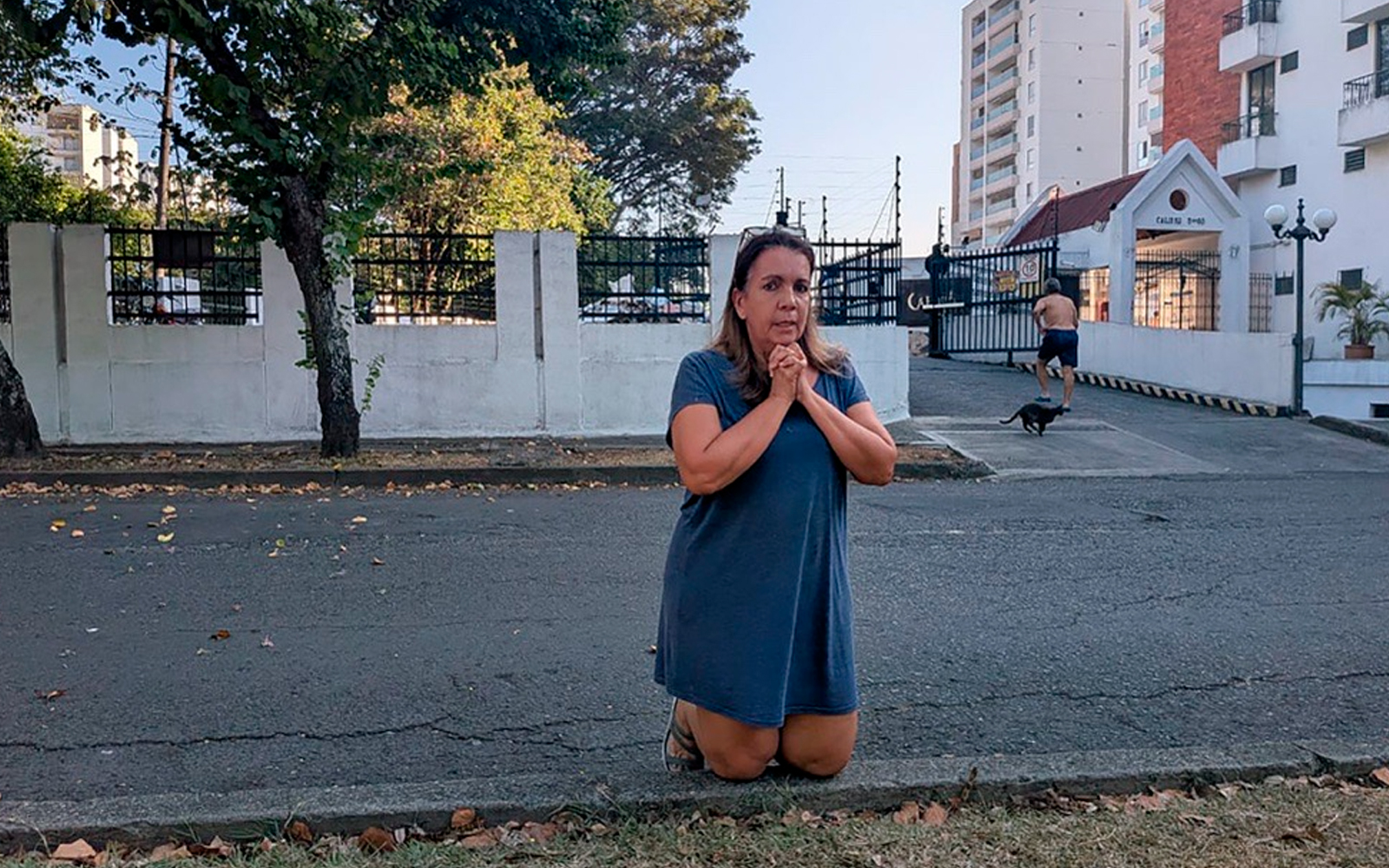
A magnitude 7.4 earthquake struck western Colombia on Monday 10 August 2026, at around 7:34 a.m. local time. The epicentre lay near the municipality of San José del Palmar, in the department of Chocó, at a depth of about 103 kilometres. Described as the strongest tremor recorded in the country in the twenty-first century, it was felt as far as Bogotá, Medellín, Cali, Pereira and Armenia, and beyond the borders in Ecuador, Venezuela and Panama.
The toll remains provisional and disputed. An initial government report gave 111 dead and 87 injured, with 1,575 dwellings damaged, 37 destroyed and 61 buildings collapsed; other, later counts put the dead above 130 and the injured above 570, besides many missing. In Cali three hospitals and some forty buildings are said to have fallen; in Pereira, around sixty dead are reported. At least eight children are said to be among the victims. The president has declared a state of national catastrophe, the first priority being to free those buried. Operations were suspended at six western airports while the runways were checked.
In Manizales, a side tower of the neo-Gothic basilica-cathedral of Our Lady of the Rosary, completed in 1939, collapsed during a Mass broadcast live; the priest broke off the celebration. Parish churches, hospitals and schools are among the buildings damaged.
Before death, the Church reasons first not in figures but in souls. The fifth commandment enjoins us to preserve and to succour the life of our neighbour; the corporal works of mercy command us to feed the hungry, to shelter him who has lost his roof, to bury the dead. And because man cannot give back a life he does not give, charity is prolonged into prayer for those the earth has carried off, that eternal rest may be granted them.
It is this twofold obligation that the Colombian episcopate recalled from Bogotá: a call to prayer and to solidarity, an invitation that the nation recognise itself as "una sola familia" and answer the suffering of its brothers with generosity and responsibility. The Archbishop of Bogotá, Cardinal Luis José Rueda Aparicio, urged his compatriots to seek the meeting point in order to go on advancing together, not only to raise again the walls of houses, but to rebuild themselves "desde el corazón", as a united society. Material mobilisation followed the word: the food banks of the archdioceses of Bogotá and Bucaramanga, together with the Colombian office of Aid to the Church in Need, put themselves at the service of the victims.
The trembling earth preaches what the age would keep silent: that life is a deposit and not a possession, and that the day of its return is known to no one. To the living, the work of charity; to the dead, the suffrage of prayer.
Sources. Catechism of the Council of Trent (1566), on the fifth commandment and on the corporal works of mercy; Gospel according to St Matthew, V, 7 ("Blessed are the merciful: for they shall obtain mercy"); Book of Tobias, on the burial of the dead; Dom Guéranger, on the suffrage of the living for the dead.