
News
Three churches profaned in one archdiocese: sacrilege is not vandalism
Three churches of a single French archdiocese were profaned within days: what the world calls vandalism, the Church calls sacrilege.
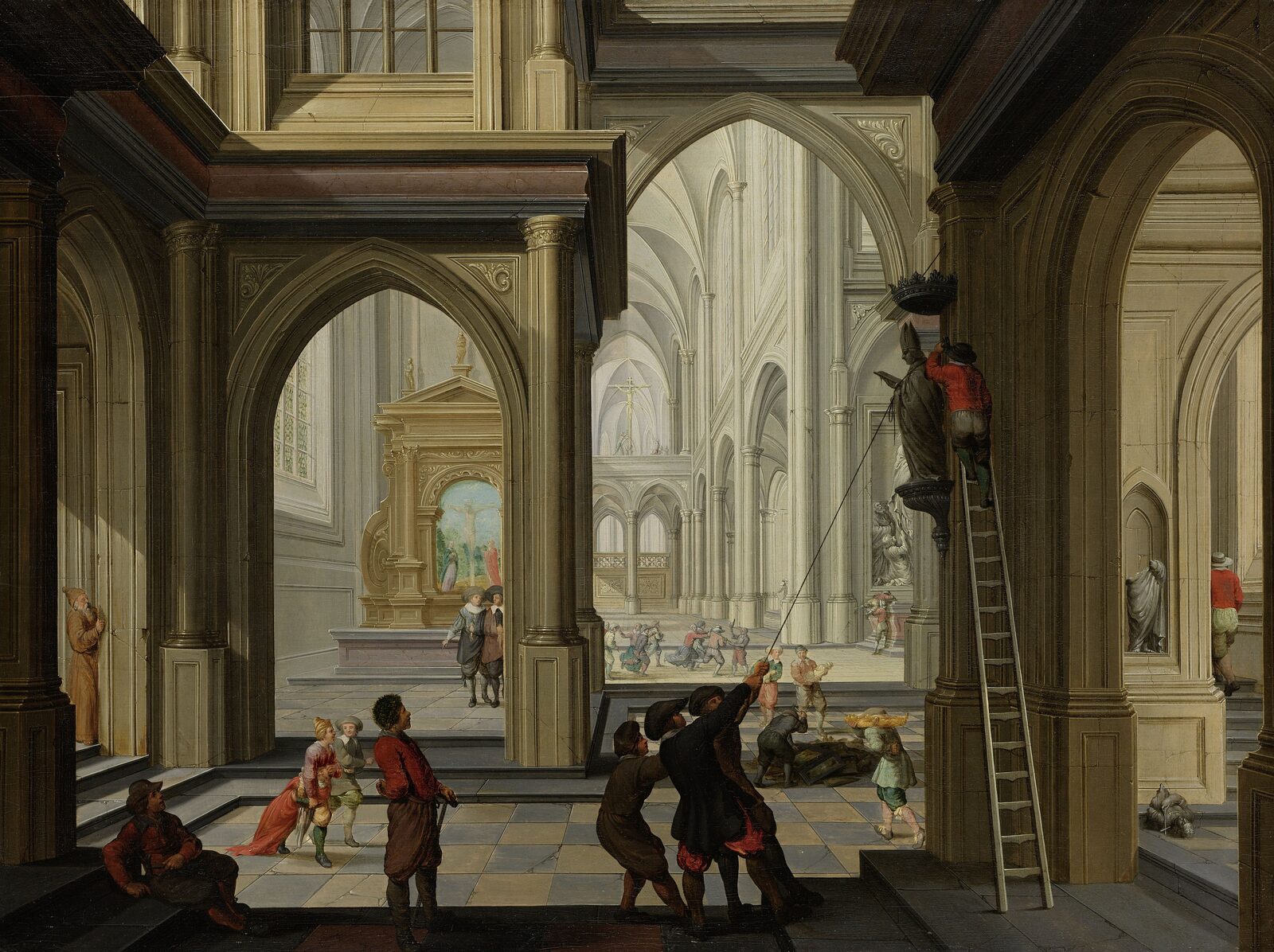
Within a few days, three churches of a single French archdiocese — at Chambray-lès-Tours, at Luynes and at Tours — were profaned. Consecrated places, where the Most Blessed Sacrament reposes, were defiled and ransacked. The world will call it vandalism, an attack on heritage, a matter of broken locks and material damage. The Church knows another name for this wound: sacrilege.
For a church is not one building among others. It is consecrated, torn from common use, given back to God alone. « Holiness becometh thy house, O Lord, unto length of days. » What is kept there is no work of art: it is the Real Presence, the Body of the Lord under the appearance of bread. To profane that place is not to break stone — it is to lay hands on holy things, and through them on Him who dwells there. The Catechism of the Council of Trent teaches that sacrilege violates a person, a place, or a thing consecrated to God, and ranks it among the sins that cry to Heaven.
Let us measure the event, then, by the standard that does not change. The Lord, entering the Temple, did not plead heritage: « My house shall be called the house of prayer; but you have made it a den of thieves. » The Christian's just response is neither the indifference of the man who shrugs, nor the hatred of the man who returns blow for blow. It is reparation: the zeal that weeps for the outrage and washes it away by adoration.
« For the zeal of thy house hath eaten me up, and the reproaches of them that reproached thee are fallen upon me. » Where the hidden God has been offended, let us return on our knees; where lamps have been put out, let the act of reparation be relit. The enemy can break a tabernacle; he does not break the Host that pardons, nor the Church that repairs.
Sources. Catechism of the Council of Trent (1566), on the Sacrament of the Eucharist and the reverence due to consecrated places; Gospel according to Saint Matthew, XXI, 13; Psalms XCII, 5 and LXVIII, 10 (Vulgate). Dom Guéranger, The Liturgical Year, on the Dedication of Churches.