
News
Cape Verde: a school bus plunges into a ravine on the island of Fogo
At least two dozen dead, most of them pupils, after a coach plunged into a ravine on the island of Fogo, in Cape Verde; the Church prays for the repose of the departed.
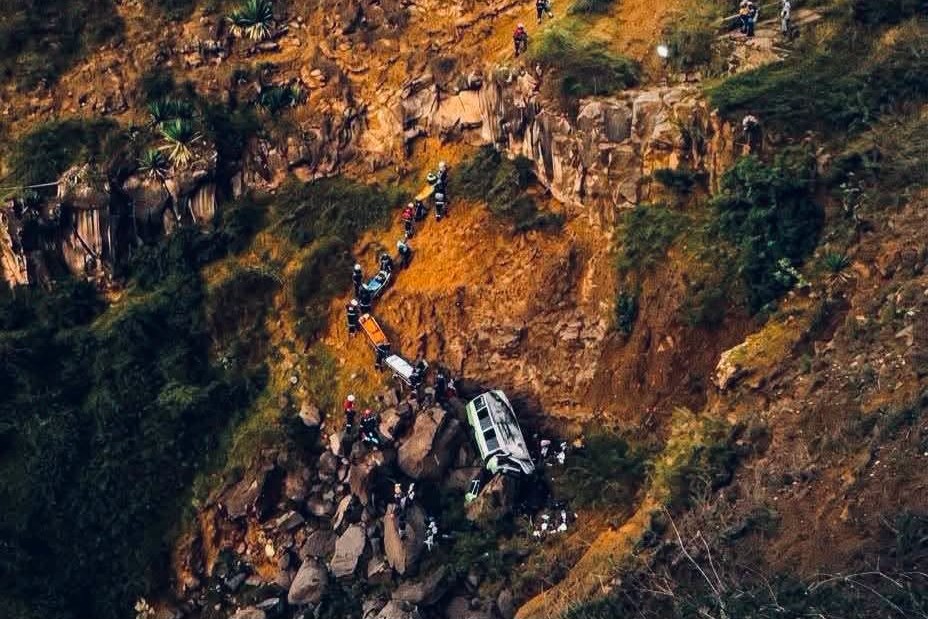
On Saturday night, on the island of Fogo, in Cape Verde, a coach carrying secondary-school pupils left the road and fell some thirty metres to the bottom of a ravine, near Campanas de Cima. The vehicle was returning from an excursion to Chã das Caldeiras, in the crater of Pico do Fogo, at around nine o'clock in the evening local time. It was carrying thirty-two passengers, most of them children and adolescents.
The toll, still provisional, stands at at least two dozen dead, most of them schoolchildren from Curral Grande and Ponta Verde. It is variously given according to the count, from twenty-two to at least twenty-five, and was still rising as rescuers made their way across terrain that is hard to reach. Nineteen injured were taken to the São Francisco de Assis regional hospital, four of them in a serious condition, with all staff mobilised. The driver, who each year offered this outing to the pupils he drove to school, is among the dead.
The municipality of São Filipe has declared two days of mourning, and the police have opened an inquiry into the causes of the accident; the head of state and the head of government have offered their condolences. The diocese of Santiago expressed its "profound sadness and dismay," noting that among the passengers "were altar servers, catechists and members of choral groups." The municipality added that "in this moment of immense grief, there are no words that can soothe the anguish of those who have lost a loved one."
What the Church has always held before death
Death entered the world through sin, but Christ has conquered it, and Scripture calls blessed "the dead who die in the Lord" (Apocalypse XIV, 13). The souls of the just, says the Book of Wisdom, "are in the hand of God" (Wisdom III, 1). Before such grief, the Church does not merely console: she prays. From ancient times she has held it "a holy and wholesome thought to pray for the dead, that they may be loosed from sins" (II Machabees XII, 46). This is the meaning of the holy sacrifice offered for the departed, of the Office of the Dead, of the De profundis. And her faith does not stop at the tomb: in the twelfth article of the Creed she confesses the resurrection of the flesh, the restoration of the body on the last day.
The measure
A state decrees mourning, opens an inquiry, offers its condolences; this is just, and man can do no less. But tradition offers what no civil authority can give: not the polite forgetting of passing time, but the suffrage. These children served at the altar, taught catechism, sang in the choir; the Church consigns them neither to chance nor to nothingness, she commends them to God and prays for the repose of their souls. Before the accident, she seeks no culprit in heaven: the sudden death of a just man is not an injustice of God, but the entrance, through a narrow door, into His hands. The only Christian answer is neither revolt nor silence: it is prayer for the dead and the hope of the resurrection.
For the faithful, the duty is simple and ancient: to pray for the repose of these souls, to have Mass offered for their intention, to recite the De profundis, and to hold firm that the flesh shall rise again. Christian mourning is not despair; it is a waiting.
Sources. Sacred Scripture according to the Vulgate: Apocalypse XIV, 13; Book of Wisdom III, 1; Second Book of Machabees XII, 46. Catechism of the Council of Trent (1566), on the twelfth article of the Creed (the resurrection of the flesh) and on prayer for the dead. Dom Guéranger, The Liturgical Year, at the Commemoration of All the Faithful Departed.