
News
Kohat: a suicide bombing strikes a police compound, the bishop condemns the blood shed
After the suicide bombing of the Kohat police compound in Pakistan, the president of the Catholic bishops condemns the attack and prays for peace.
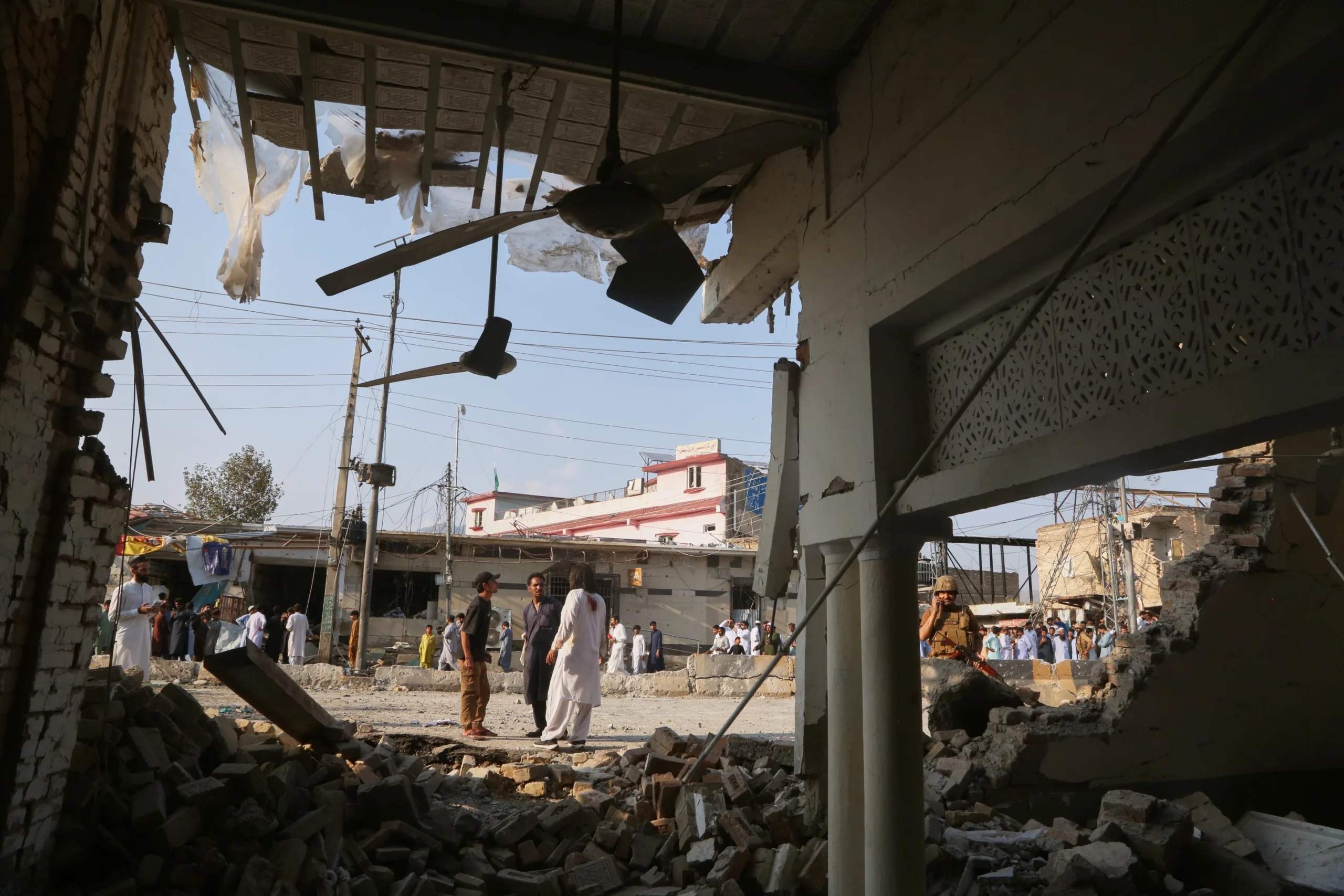
On 18 September 2026, around 1:15 p.m., a suicide bomber drove a vehicle packed with explosives into the old Police Lines compound in Kohat, in Khyber Pakhtunkhwa province, near the Afghan border, during the Friday prayer. Gunmen followed the vehicle and barricaded themselves inside the building, which houses the province's counter-terrorism offices and the officers' quarters; the siege lasted more than twenty hours, until Pakistani forces retook the site on Saturday. Many of the dead and wounded were policemen or worshippers who had come to pray at the compound's mosque. The group Ittihadul Mujahideen Pakistan, led from Afghanistan by Hafiz Gul Bahadur, claimed the attack. The toll is not settled: counts range from sixteen to thirty-one dead, among them policemen and a four-year-old child, and was still rising when the siege was lifted.
Tradition judges the act, not the circumstances
The Church has never put to a vote the gravity of killing the innocent. “Thou shalt not kill” admits neither cause nor pretext when it is the blood of the just that is spilled; and the voice of Abel's blood cries from the earth to God. The Catechism of the Council of Trent teaches that the fifth commandment forbids wilful homicide, and ranks among the greatest of crimes the taking from another of the life one did not give. To strike unarmed men, and in the very place where they had gathered to pray, adds to murder the contempt of God and of the peace He commands.
The measure
Bishop Samson Shukardin, Bishop of Hyderabad and president of the Pakistan Catholic Bishops' Conference, condemned the attack and offered his condolences to the families. “I also condemn the terrorists who carried out this attack. What they did is neither right nor good. It is against humanity and should never happen,” he said. “People go to mosques to pray, they seek peace there. Such places of prayer should be places where one feels safe.” His prayer, he added, is “for peace, that Pakistan may become a peaceful country, that people may respect one another.” The condemnation is just, and the measure of tradition precedes it: the shedding of innocent blood is a crime that calls for reparation and prayer, not resignation.
Sources. Catechism of the Council of Trent (1566), exposition of the fifth commandment “Non occides”; Exodus 20:13; Genesis 4:10, the voice of Abel's blood crying to God from the earth.