
News
Mexico: a priest shot dead, and the Church demands that justice be done
Father Román de la Cruz Hernández, parish priest at Huejutla, was shot dead and his body abandoned; the Church demands an exhaustive investigation.
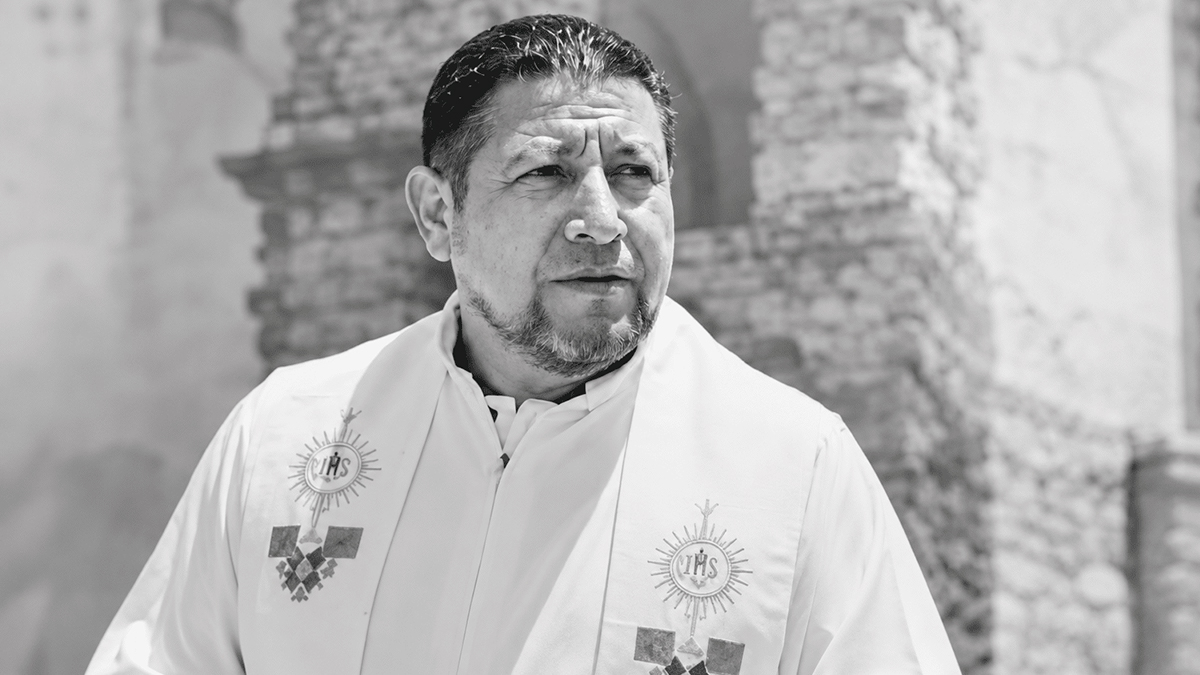
On Tuesday 15 September 2026, Father Román de la Cruz Hernández, forty-eight, parish priest of the community of Santa Cruz at Huejutla, in the State of Hidalgo in Mexico, was shot dead. His body was found the next day, Wednesday 16 September, by the roadside that links Tolago to Tetlapaya, together with a threatening message whose contents have not been made public. Parish priest of that community since 2024, he coordinated the Commission for the Prophetic Pastoral Ministry of the diocese of Huejutla.
The Attorney General's Office is reported to have opened an investigation. The region where he exercised his ministry is described as an area contested by criminal groups for control of the fuel-smuggling routes. The Mexican Bishops' Conference expressed its “indignation, sorrow and solidarity” with the Church of Huejutla and asked the authorities for an “exhaustive investigation.” The local bishop, Msgr. José Acosta Beltrán, demanded “that justice be done, and that neither this crime nor the others remain unpunished.”
The tradition: “Thou shalt not kill”
The fifth commandment of the Decalogue forbids homicide. The Catechism of the Council of Trent teaches that whoever willfully kills an innocent man commits one of the gravest crimes: he destroys in man the image of God and tears from a soul the time that divine mercy still left it for conversion. Scripture gives this blood a voice: “The voice of thy brother's blood crieth to me from the earth” (Genesis 4:10). The shedding of innocent blood is among those sins that tradition says cry out for vengeance before God.
The measure
An unarmed man, shot in cold blood, his body thrown by the roadside and crowned with a threat: this is willful homicide in its barest form, the one the commandment forbids absolutely. To ask that justice be done is not to call for vengeance. The same Catechism distinguishes murder, which the divine law condemns, from the act of the magistrate who, as minister of God and avenger of His wrath against the evildoer, punishes the guilty according to law: the sword entrusted to public authority to punish crime serves the fifth commandment, it does not violate it. The bishops' request is that one, and it is just.
We do not here pronounce the word martyrdom: nothing establishes that this priest was killed in hatred of the faith rather than by the calculation of men who hold a road. But a shepherd struck at his post is a wound made to the whole flock, and the blood of a priest shed is never a mere news item. A report by the pontifical foundation Aid to the Church in Need counted, for the years 2023 and 2024 alone, at least thirteen religious leaders murdered in Mexico and five neighbouring countries, and sixteen missionaries and lay people killed in a pastoral context. The figure speaks of a bleeding, not a series of accidents.
What to hold on to
The duty of the faithful is neither resignation nor fury. He prays for the repose of the priest's soul, for the conversion of his murderers, and that authority may do its office. He holds firm to what the Church has always taught: that the life of the innocent is sacred because it bears the image of God, and that the impunity of shed blood is itself an offense that calls for reparation.
Sources. Catechism of the Council of Trent (1566), exposition of the fifth commandment “Thou shalt not kill”; Book of Genesis 4:10 (Vulgate).