
The Faith
What Does God Say About Cursing and Swearing?
What does God say about cursing? The Second Commandment forbids taking the Lord's name in vain. The Catholic answer on blasphemy, swearing, vulgar speech, and oaths — grounded in the Douay-Rheims, St Thomas, and the catechisms.
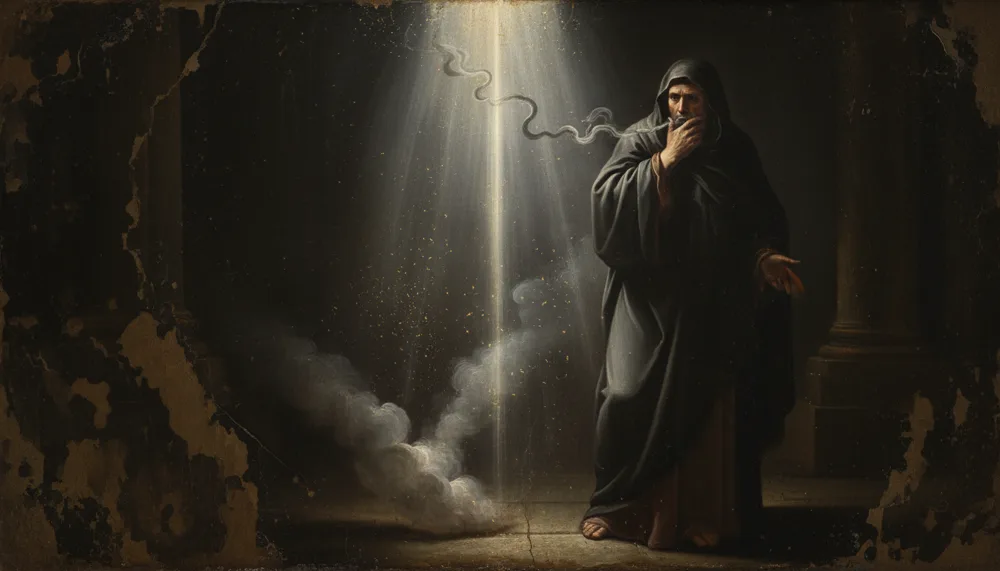
God commands reverent speech, and He binds it in His own law: "Thou shalt not take the name of the Lord thy God in vain: for the Lord will not hold him guiltless that shall take the name of the Lord his God in vain" (Exodus 20:7, Douay-Rheims). This is the Second Commandment, and it answers the question directly. Cursing in the grave sense — blaspheming or profaning the holy Name, calling down evil — is a sin, and a serious one; coarse and vulgar language is also sinful by its disorder; and rash swearing is forbidden by Our Lord Himself. The Bible does not treat the tongue as a small thing, and neither does the Church.
What the Second Commandment Forbids
The Second Commandment governs how we speak of God and of holy things. The Catechism of St Pius X teaches that it forbids us "to use the name of God without respect," which is "to pronounce this holy name, and all that pertains in a special manner to God, such as the name of Jesus, of Mary, and of the Saints, in anger, in jest, or in any other irreverent manner" (Catechism of St Pius X, Part III, ch. 2, § 2). To fling the name of God or of Christ into an outburst, a joke, or an expletive is precisely the vanity the commandment names. It is not a quaint rule of etiquette. It is the protection of the most holy Name there is.
Not all that the world lumps together as "cursing" is the same sin, however. Scripture and the Church distinguish three things, and the distinction matters for the confessional and for the conscience. This commandment stands second only to the worship of God Himself among the Ten Commandments, and is bound up with what God says about prayer — for the same tongue that prays must not also profane. (For the wider series, see what God says about the questions men ask.)
Blasphemy and Cursing: A Grave Sin
The gravest offence against this commandment is blasphemy. The Catechism of St Pius X defines it as "a horrible sin which consists in words or acts of contempt or of malediction against God, the Blessed Virgin, the Saints, or against holy things." To curse, in the strict and ancient sense, is to invoke evil — to wish harm. The catechism distinguishes the two: "in blasphemy one hurls the malediction or wishes evil to God, to the Blessed Virgin, to the Saints; whereas in imprecation it is to oneself or to one's neighbour." St Thomas places blasphemy among sins against the virtue of religion and judges it graver than murder, for it is directed against God Himself (Summa Theologiae II-II, q. 13).
This is no small matter in the law of God. Under the old covenant the penalty was death: "he that blasphemeth the name of the Lord, dying let him die" (Leviticus 24:16, Douay-Rheims). St James shows the contradiction at the root of it: "By it we bless God and the Father: and by it we curse men who are made after the likeness of God. Out of the same mouth proceedeth blessing and cursing. My brethren, these things ought not so to be" (James 3:9-10). Blasphemy and the cursing of one's neighbour are grave precisely because they turn the gift of speech against its Author. This is one of the bitter fruits of the capital sins; see the Seven Deadly Sins, and the daily war against them in spiritual combat.
Is Cursing a Sin? Vulgar and Coarse Language
Many ask whether ordinary cussing — crude, foul, vulgar speech that names no holy thing — is a sin at all. It is. Even where the holy Name is not invoked, foul language is sinful by its disorder and by the scandal it gives. St Paul commands plainly: "But now put you also all away: anger, indignation, malice, blasphemy, filthy speech out of your mouth" (Colossians 3:8), and again: "Let no evil speech proceed from your mouth: but that which is good, to the edification of faith: that it may administer grace to the hearers" (Ephesians 4:29, Douay-Rheims). Speech is given to edify, not to defile.
Our Lord weighs every word: "every idle word that men shall speak, they shall render an account for it in the day of judgment. For by thy words thou shalt be justified, and by thy words thou shalt be condemned" (Matthew 12:36-37). The gravity varies — a coarse word in carelessness is not equal to a deliberate blasphemy — but the habit of foul language coarsens the soul, wounds charity, and scandalises the weak. We do not excuse it as harmless. The discipline of the tongue belongs to the whole life of grace, and the same vigilance over the mouth guards us against worse disorders, as in what God says about pornography and what God says about alcoholism.
What Does the Bible Say About Swearing?
Here the popular reading goes most often astray. When Our Lord says, "But I say to you not to swear at all" (Matthew 5:34), He is not condemning every oath outright, but the rash, habitual, profane swearing that scatters the divine Name through common talk. "Let your speech be yea, yea: no, no: and that which is over and above these, is of evil" (Matthew 5:37, Douay-Rheims).
The Church has never read this as an absolute ban on all oaths, and what the Church teaches about swearing and cursing bears this out. The Catechism of St Pius X teaches that to swear "is to take God as witness to the truth of what one says or of what one promises," and that it "is lawful and even an honour rendered to God when there is necessity and when the oath is made with truth, judgment, and justice." St Thomas teaches the same three conditions — truth, judgment, justice — for a lawful oath (Summa Theologiae II-II, q. 89). What is forbidden is the oath without truth, the oath sworn lightly "without prudence and without mature reflection, or for things of little importance," and the oath to do an unjust thing. To swear falsely is grave: "He who swears falsely commits a mortal sin, because he gravely dishonours God, the infinite Truth, by taking Him as witness to a false thing." So the careless "I swear to God" thrown into conversation is exactly the rash swearing Christ forbids.
Correcting the Popular Misreadings
Two errors are common, and we name them plainly. The first is the fundamentalist reading that takes "swear not at all" as a prohibition of every oath, so that a Christian may not even swear in a court of law. This contradicts both Scripture, where God Himself swears and the Apostle calls God to witness, and the constant teaching of the Church. The error mistakes the abuse Christ condemned for the lawful act He left standing.
The second is the laxity that treats cursing and foul speech as a matter of mere taste — "just words," giving offence to no one. The tongue is not so innocent: "the tongue no man can tame, an unquiet evil, full of deadly poison" (James 3:8). Coarse speech betrays an interior disorder and breeds scandal, which is no light thing. Reverent speech, like reverent worship at the Tridentine Mass and an honest tongue in confession, is the ordinary fruit of a soul that fears God.
The Duty of Reverent Speech
The Second Commandment is not only a prohibition. The Catechism of St Pius X teaches that it "commands us to honour the holy name of God and to fulfil not only oaths, but also vows." The Name of Jesus is to be spoken with reverence, called upon in prayer, blessed and not abused. The remedy for the cursing tongue is not silence but consecration: the same lips that once profaned are to bless, to pray, and to praise. This is charity toward God, owed to Him as creatures owe it to their Creator.
We say this firmly and without apology, yet without contempt for any person caught in the habit. The sin is to be hated; the sinner is to be helped. The way back is the ordinary way: examination of conscience, the duty of going to church, the daily guarding of the tongue, and the deliberate replacement of foul words with Catholic prayers and the holy Name spoken in honour. Begin today.
Frequently Asked Questions
What does God say about cursing?
God forbids the abuse of speech in His own law: "Thou shalt not take the name of the Lord thy God in vain" (Exodus 20:7, Douay-Rheims). To blaspheme or profane the holy Name is a grave sin, the cursing of one's neighbour is a sin against charity, and even coarse or vulgar language is sinful by its disorder. The same tongue given to bless God must not be turned against Him or against men made in His likeness (James 3:9-10).
Is cursing a sin?
Yes, though not all that is loosely called "cursing" is the same sin. To blaspheme or profane the holy Name of God, of Jesus, of Mary, or of the Saints is a grave sin against the Second Commandment; to call down evil on one's neighbour is a sin against charity; and crude, foul, vulgar speech, even where no holy thing is named, is sinful by its disorder and by the scandal it gives. St Paul commands, "Let no evil speech proceed from your mouth: but that which is good, to the edification of faith" (Ephesians 4:29, Douay-Rheims).
What does the Bible say about swearing?
When Our Lord says, "But I say to you not to swear at all" (Matthew 5:34), He is not banning every oath, but the rash, habitual, profane swearing that scatters the divine Name through common talk — "Let your speech be yea, yea: no, no" (Matthew 5:37). The Church has always held that a true oath is lawful, "and even an honour rendered to God when there is necessity and when the oath is made with truth, judgment, and justice" (Catechism of St Pius X). So a Catholic may swear in a court of law, but the careless "I swear to God" thrown into conversation is exactly the rash swearing Christ forbids.
What does God say about cussing?
Even ordinary cussing — crude, foul language that names no holy thing — is a sin, for speech is given to edify, not to defile (Ephesians 4:29). Our Lord warns that "every idle word that men shall speak, they shall render an account for it in the day of judgment" (Matthew 12:36). The gravity varies — a coarse word in carelessness is not equal to a deliberate blasphemy — but the habit of foul language coarsens the soul, wounds charity, and scandalises the weak.
What is blasphemy, and how grave is it?
Blasphemy is "a horrible sin which consists in words or acts of contempt or of malediction against God, the Blessed Virgin, the Saints, or against holy things" (Catechism of St Pius X). St Thomas places it among sins against the virtue of religion and judges it graver than murder, for it is directed against God Himself (Summa Theologiae II-II, q. 13). Under the old covenant its penalty was death: "he that blasphemeth the name of the Lord, dying let him die" (Leviticus 24:16, Douay-Rheims).
How do I stop the habit of cursing and swearing?
The remedy is not silence but consecration: the same lips that once profaned are to bless, to pray, and to praise. The ordinary way back is examination of conscience, confession, the daily guarding of the tongue, and the deliberate replacement of foul words with Catholic prayers and the holy Name spoken in honour. The Second Commandment not only forbids irreverent speech but "commands us to honour the holy name of God" (Catechism of St Pius X). Begin today.
The Iter Fidei app carries the Douay-Rheims Bible, the catechism, and the prayers. Download it here.
Sources. Exodus 20:7; Leviticus 24:15-16; Matthew 5:34-37; Matthew 12:36-37; Ephesians 4:29; Colossians 3:8; James 3:8-10 (Douay-Rheims). Catechism of St Pius X, Part III, ch. 2, § 2 (The Second Commandment). St Thomas Aquinas, Summa Theologiae II-II, q. 13 (blasphemy) and q. 89 (oaths).