
News
Leo XIV summons 248 bishops to the Vatican for the tenth anniversary of Amoris Laetitia
For the tenth anniversary of Amoris Laetitia, Leo XIV gathers some 248 bishops from around the world at the Vatican; we measure the exhortation against the Church's perennial teaching on marriage and Communion.
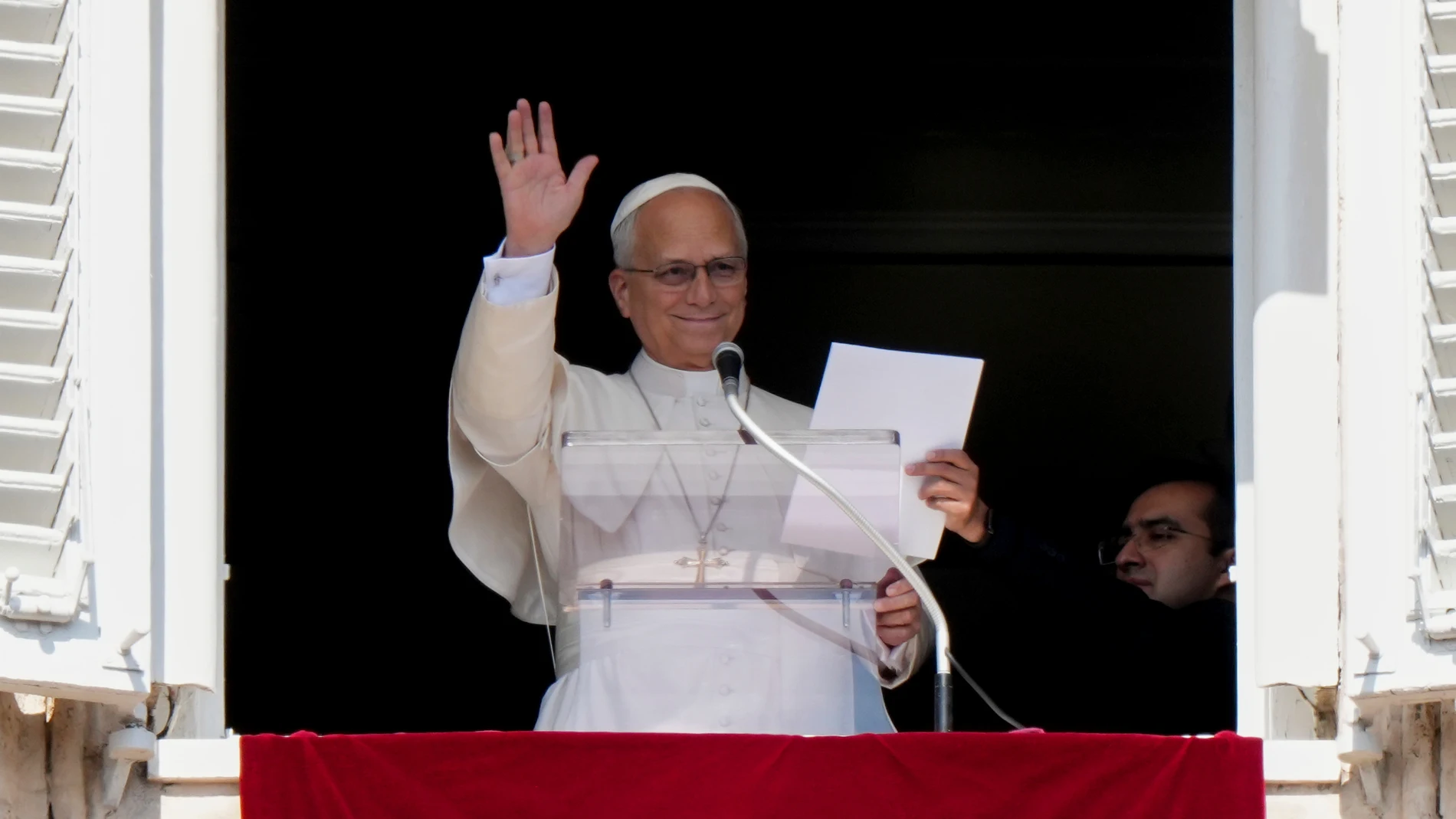
Pope Leo XIV has summoned to the Vatican, from 7 to 14 October 2026, a meeting bringing together the heads of the Eastern Churches and the presidents of every episcopal conference in the world, on the tenth anniversary of the exhortation Amoris Laetitia. Some 248 bishops are expected, “with a few families and a few experts.” The under-secretary of the Dicastery for the Laity, the Family and Life, Gabriella Gambino, presents these days as a “synodal discernment” on how to proclaim the Gospel to families today in the light of the exhortation. The only comparable summoning of all the presidents of episcopal conferences remains the summit on abuse of February 2019.
In support, figures have been put forward: in Poland, religious marriages are said to have fallen 45% in five years; in Australia, to have dropped from 88% to 16% between 1970 and 2024. Signed by Pope Francis at the close of the 2014 and 2015 synods, Amoris Laetitia opened the door to the possibility that the divorced living in a new union might, in certain cases, be admitted to Holy Communion, and it acknowledged “positive elements” in unions that do not fully correspond to Christian marriage. The reigning Pope has, in his public interventions, made the exhortation his own.
The official presentation insists: this is not formally a synod, the meeting does not intend to assess the strengths and weaknesses of Amoris Laetitia, and it will produce no final synodal document. The programme provides for prayer, substantive addresses, small-group discussions, daily reports, plenary dialogue, and a commission charged with drafting a text.
Others read the event otherwise: among the names added by the Pope are Cupich, McElroy, Tobin, Cobo, Hollerich, Fernández, Tagle and David, all held to favour the line of the previous pontificate, while none of those who had criticised the exhortation has been summoned. The method is said to have been entrusted to the General Secretariat of the Synod, which one of its officials, Father Giacomo Costa, plays down: “C'è stata anche una preparazione che abbiamo fatto insieme, quindi è inutile spaccare il capello in quattro su chi ha fatto cosa.”
What the Church has always taught
The Lord spoke plainly: “What therefore God hath joined together, let no man put asunder” (Mt 19:6), and “Whosoever shall put away his wife and marry another committeth adultery against her” (Mk 10:11). The bond of a consummated marriage between the baptised is indissoluble, and no authority on earth can break it. The Council of Trent fixed it under pain of anathema: whoever says that the Church errs when she teaches that the marriage bond cannot be dissolved on account of adultery is anathema (session XXIV, canon 7).
On the Eucharist, the same tradition is explicit: “But let a man prove himself: and so let him eat of that bread; for he that eateth and drinketh unworthily eateth and drinketh judgment to himself” (1 Cor 11:28-29). The Council of Trent teaches that no one conscious of mortal sin, however contrite he believes himself to be, is to approach Holy Communion without prior sacramental confession (session XIII, chapter 7). The Catechism of the Council of Trent repeats that to receive the Body of the Lord in a state of mortal sin is to eat and drink one's own damnation.
The measure
Whoever remains, outside any bond recognised by the Church, in a union that a prior legitimate marriage renders adulterous, stands in a state objectively contrary to the law of God. To admit him to Communion without his renouncing that state amounts to separating the sacrament from the truth it signifies. To open “the door” of the Eucharist to the divorced living in a new union strikes head-on the twofold discipline that Trent sealed: on the indissolubility of the bond and on the worthy reception of the Body of the Lord.
A meeting convened to deepen this path, whose guests share its orientation and whose opponents are absent, equips itself for a consensus; but the question is not settled by votes, it is settled by the word of Christ. Whether or not it is a synod, whether or not it produces a document, it can change nothing of the deposit received. The faithful will hold what the Church has always held: a valid and consummated marriage is not broken, and no one approaches the altar in a state of mortal sin without first having confessed.
Sources. Gospel according to Saint Matthew 19:6 and Saint Mark 10:11 (Vulgate); First Epistle to the Corinthians 11:27-29; Council of Trent, session XXIV (1563), canon 7, on the sacrament of marriage, and session XIII (1551), chapter 7, on the reception of the Eucharist; Catechism of the Council of Trent (1566), on the sacrament of marriage and the sacrament of the Eucharist.