
News
Twelve Polish pilgrims called home to God on a Hungarian road
Twelve Polish pilgrims returning from a pilgrimage in Bosnia-Herzegovina died when their coach overturned in Hungary; the Church prays for the dead.
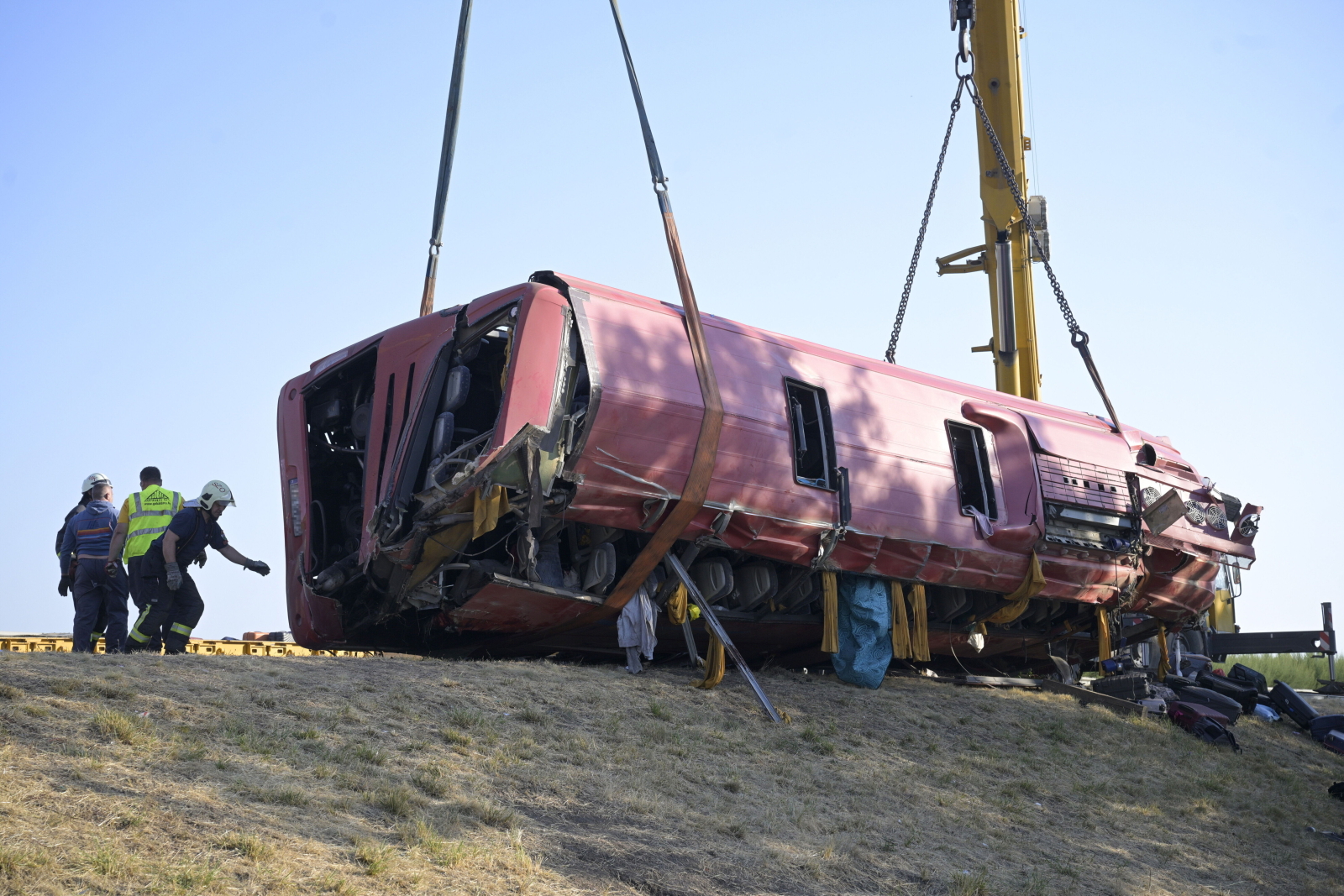
Twelve people were killed and seven are hospitalized in critical condition after a Polish coach overturned in the night from Saturday to Sunday, around one in the morning, on the M3 motorway near Mezőkeresztes, in eastern Hungary. The coach was bringing back fifty-seven pilgrims from the Subcarpathian region and two drivers from a pilgrimage in Bosnia-Herzegovina; it left the road and rolled into a ditch. Early reports also count some forty people with minor injuries.
Preliminarily, the Hungarian police attribute the accident to the driver falling asleep; he has been taken into custody. To lift the twenty-four-tonne vehicle and free the trapped passengers, firefighters had to use winches and cranes; a rescue helicopter was dispatched from Poland. The exact destination of the pilgrimage remains uncertain: the office of the Subcarpathian voivodeship speaks of a return from Bosnia-Herzegovina, while some reports say the group was coming back from Medjugorje, without official confirmation. The toll of the injured likewise varies, from the "at least ten seriously injured" of the first hours to the "seven in very grave condition and forty slightly injured" given afterward.
The President of Poland, Karol Nawrocki, joined "in prayer and deep compassion the families and loved ones of the victims." The heads of government of Poland and Hungary also offered their condolences to the bereaved families.
Here are men and women torn from the world in an hour they did not expect, on the way back from an act of faith. The Church has never let this lesson be forgotten: no one knows the day nor the hour, and death surprises the traveler as the thief surprises the sleeping house. This is why, in the Litany of the Saints, she has her children cry out: "A subitanea et improvisa morte, libera nos, Domine" — from a sudden and unprovided death, deliver us, O Lord. The present life is a pilgrimage vaster still than the one that was ending on that road: its end is certain, its hour hidden.
Before such deaths, charity does not speculate on their lot: it prays. The perennial faith holds that "it is a holy and wholesome thought to pray for the dead, that they may be loosed from sins." To this answer the Holy Sacrifice offered for the repose of souls, the Office of the Dead, and the suffrages of the whole Church. We therefore commend to the mercy of God the twelve faithful called home that night, and we ask for the injured the healing of the body and the consolation of the soul. "Requiem æternam dona eis, Domine, et lux perpetua luceat eis."
Sources. Catechism of the Council of Trent (1566), on the first article of the Creed and on prayer for the dead; Litany of the Saints, "A subitanea et improvisa morte, libera nos, Domine"; II Machabees XII, 46 (Vulgate; Douay-Rheims); Dom Guéranger, The Liturgical Year, the Office of the Dead.