
The Spiritual Life
How to Find God: Seeking and Finding the Living God
How to find God: Our Lord answers the seeker directly — "Seek, and you shall find." We show where God is truly found — in the Church He founded, in the sacraments, in prayer and Scripture, in the poor — and lead the convert, the lapsed, and the searcher home.
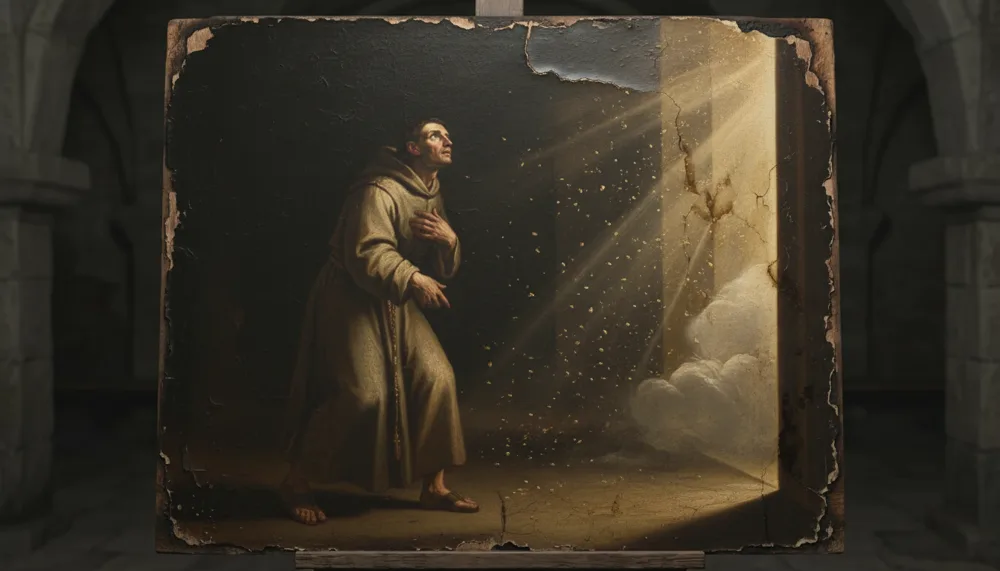
How do we find God? Our Lord Himself answers the question, and His answer is not vague: "Seek, and you shall find." God is not hidden from the soul that truly seeks Him; He has promised that He will be found. The search is real, but it is not a search in the dark, for God has shown us where He is to be found — in the Church He founded, in the sacraments, in prayer and Scripture, and in the poor.
Ask, and it shall be given you: seek, and you shall find: knock, and it shall be opened to you. For every one that asketh, receiveth: and he that seeketh, findeth: and to him that knocketh, it shall be opened. — Matthew 7:7–8 (Douay-Rheims)
This is the word of God to every seeker — the convert who has never believed, the lapsed Christian who has wandered far, the soul that longs to find Him again. Below we set out, from the sources, what it means to seek God and where He is truly found.
What does "seek and you shall find" mean?
The promise of Matthew 7:7 is often pressed into a shape it was never meant to bear — as though God were a feeling to be conjured by sincerity, available to anyone on any terms. We say this charitably, but the verse means something more solid. Our Lord is not promising that the seeker will manufacture an emotion; He is promising that the living God will give Himself to the soul that asks for Him.
Three verbs stand together: ask, seek, knock. To each Our Lord attaches a certainty — he that asketh receiveth, he that seeketh findeth, to him that knocketh it shall be opened. The seeking is required of us; the finding is guaranteed by God. He does not say perhaps you shall find; He binds Himself by His own word.
But God is not found on any terms. He who tells us to seek also tells us where He is. To seek God in earnest is therefore to go where He has placed Himself — not where our wishes prefer. This is why seeking God begins in humility: in the willingness to be found by Him on His terms rather than ours.
Why do we seek God at all?
Before we ask how to find God, we should know why the heart goes searching. We are made for Him. The Roman Catechism teaches that the last end of man — the happiness toward which he must tend — is too exalted for him to discover by the lights of his own mind, and that God Himself must give him the knowledge of it. We were created to know God, to love Him, to serve Him, and so to be happy with Him forever. The restlessness of the seeker is not an accident; it is the soul reaching for the One it was made for.
This is why no created thing answers the search. The convert who has tried everything, the lapsed soul that filled the God-shaped place with lesser things, the searcher who cannot name his hunger — all reach past the gift toward the Giver. To love God above all things is the first commandment and the soul's true rest, as we set out in how to love God. The seeking ends only in Him.
Where is God truly found? In the Church He founded
The first and surest answer to how to find God is this: He is found in the Church His Son established. Our Lord did not leave a book and a feeling; He founded a visible Church, built on Peter, and gave her His own authority to teach in His name. "Thou art Peter; and upon this rock I will build my church, and the gates of hell shall not prevail against it" (Matthew 16:18). The Catechism of St Pius X teaches plainly that we must receive and learn Christian doctrine from the holy Catholic Church, for Christ Himself speaks through her.
So the seeker is not left to assemble God from his own impressions. To find God is, concretely, to come home to the Church He founded — the same Church of the Apostles and the Fathers, professing the same Faith. For the searcher weighing the many bodies that call themselves Christian, we set out the difference in Catholic and Protestant compared. The living God is found where He promised to be: in the one Church against which the gates of hell shall not prevail.
Where God is found: in the sacraments
God does not merely teach us through the Church; He touches us through her sacraments — the appointed channels by which His life is poured into the soul. To the seeker who asks where God may be encountered, not as an idea but as a present and acting Lord, the answer is the sacraments, the visible signs of invisible grace instituted by Christ Himself.
Two stand at the threshold for every soul returning to God. The first is Confession. To the man weighed down by sin, who fears he has gone too far to be found, the Church holds out the words of Christ to His Apostles: "Whose sins you shall forgive, they are forgiven them" (John 20:23). God meets the penitent there, in the absolution given through the priest, and the soul that thought itself lost is found and cleansed. On the sacrament itself see what is confession, and we answer the common objection in why Catholics confess to a priest.
The second is the Holy Eucharist — the very Body and Blood of Christ, truly present under the appearances of bread and wine. Here the search reaches its end on earth: the seeker does not merely learn about God, but receives Him. "For my flesh is meat indeed: and my blood is drink indeed" (John 6:56). This is the great treasure of the Faith, set out in our study of the Eucharist and of transubstantiation; on Our Lord’s own words, see this is my body. And this is why we lead the seeker not to any service but to the Tridentine Mass, where the Sacrifice of Calvary is offered as the Church has offered it for centuries, and where God gives Himself whole.
How to find God again: the return of the lapsed soul
Many who ask how to find God once knew Him and lost the thread. To them the Gospel speaks with particular tenderness, for Our Lord told the parable of the prodigal son precisely for them. The father "saw him, and was moved with compassion, and running to him fell upon his neck, and kissed him" (Luke 15:20). God is not waiting to be persuaded to take the wanderer back; He runs to meet him.
Finding God again is, in practice, a short and definite road. It begins with prayer — even a poor, halting prayer of desire. It passes through the confessional, where years of absence are wiped away in a single absolution. It arrives at the altar, where the returned soul is fed again with the Bread of Life. The grace lost by sin is restored, for sanctifying grace is the very life of God in the soul, and the sacraments exist to give it back. No one who truly seeks is turned away.
Seeking God in prayer and in Scripture
God is found by those who speak to Him and listen to Him. Prayer is the lifting of the mind and heart to God, and the soul that prays is already finding Him, for the desire to pray is itself His gift drawing us. St Anselm asked for that very gift in the first chapter of his Proslogion: "Teach me to seek Thee, and show Thyself to me when I seek." The seeker should begin simply — the Our Father, the Hail Mary, a few minutes of mental prayer in silence — and persevere, for perseverance in prayer is the ordinary road by which God is found and held.
He is found, too, in Scripture, which is His own word. To read the Gospels is to meet Christ. We commend to every seeker the Douay-Rheims Bible and a daily return to the Catholic Scriptures, read not as a quarry for slogans but as the Church reads her own book — in her sense, under her authority. If you read on a phone, our guide to the best Catholic Bible app shows which apps carry all seventy-three books. The Word who became flesh meets us still in the words He inspired.
Seeking God in the poor
There is one more place the seeker must not overlook, for Our Lord named it Himself. He is found in the poor, the hungry, the sick, the imprisoned. "Amen I say to you, as long as you did it to one of these my least brethren, you did it to me" (Matthew 25:40). The soul that seeks God in churches and books but passes the suffering man without mercy has not yet found Him. To serve the least is to touch Christ. This is not a substitute for the Church and the sacraments but their fruit, for the genuineness of our seeking is tried in works, since faith without works is dead.
Conclusion
How do we find God? We ask, we seek, we knock — and He has promised that we shall find. But He has also told us where: in the Church His Son founded, in the sacraments that give His life, in prayer and in His written word, and in the least of His brethren. The search is not a wandering in the dark but a coming home along a road He Himself laid down. To the convert, the lapsed, and the searcher alike, the door is open and the Father is already running to meet you. Begin where He is: kneel in a traditional church, make a good confession, receive Him in the Eucharist, and you will have found the living God — or rather, you will know that He had found you first.
Frequently Asked Questions
How do I find God?
Our Lord answers directly: "Seek, and you shall find" (Matthew 7:7). God is found where He has placed Himself — in the Church His Son founded upon Peter, in the sacraments that pour His life into the soul, in prayer and in Holy Scripture, and in the least of His brethren. To find God in earnest is to go where He has promised to be, not where our own wishes prefer.
How can I find God again after falling away?
Finding God again is a short and definite road. It begins with prayer, even a poor and halting prayer of desire; it passes through Confession, where years of absence are wiped away in a single absolution; and it arrives at the altar, where the returned soul is fed again with the Bread of Life. Our Lord told the parable of the prodigal son precisely for the wanderer: the Father "saw him, and was moved with compassion, and running to him fell upon his neck" (Luke 15:20). No one who truly seeks is turned away.
What does it mean to seek God?
To seek God is not to manufacture an emotion but to ask the living God to give Himself to the soul. The Roman Catechism teaches that man's last end is too exalted to be discovered by his own mind, and that God must give him the knowledge of it — so the seeking begins in humility, in willingness to be found by Him on His terms. The seeking is required of us; the finding is guaranteed by God, who binds Himself by His own word: "he that seeketh, findeth" (Matthew 7:8).
Why do we seek God at all?
We seek God because we were made for Him — created to know Him, to love Him, to serve Him, and so to be happy with Him forever. The restlessness of the seeker is not an accident but the soul reaching for the One it was made for, and no created thing can answer that hunger. To love God above all things is the first commandment and the soul's true rest.
The Iter Fidei app carries the Douay-Rheims Bible, the prayers, and the traditional Faith. Join early access here.
Sources. The Holy Bible, Douay-Rheims version: Matthew 7:7–8; Matthew 16:18; Matthew 25:40; Luke 15:20; John 6:56; John 20:23. Catechism of the Council of Trent (Roman Catechism, 1566), Part I, "On Faith and the Creed in general." Catechism of St Pius X (1908), Preliminary Lesson, "From whom must we receive and learn Christian doctrine."