
The Last Things
What Does God Say About the Antichrist?
What does God say about the Antichrist? He is the man of sin who denieth the Father and the Son, a real adversary to come before the end and deceive many. Scripture and the Church teach him soberly, against all date-setting.
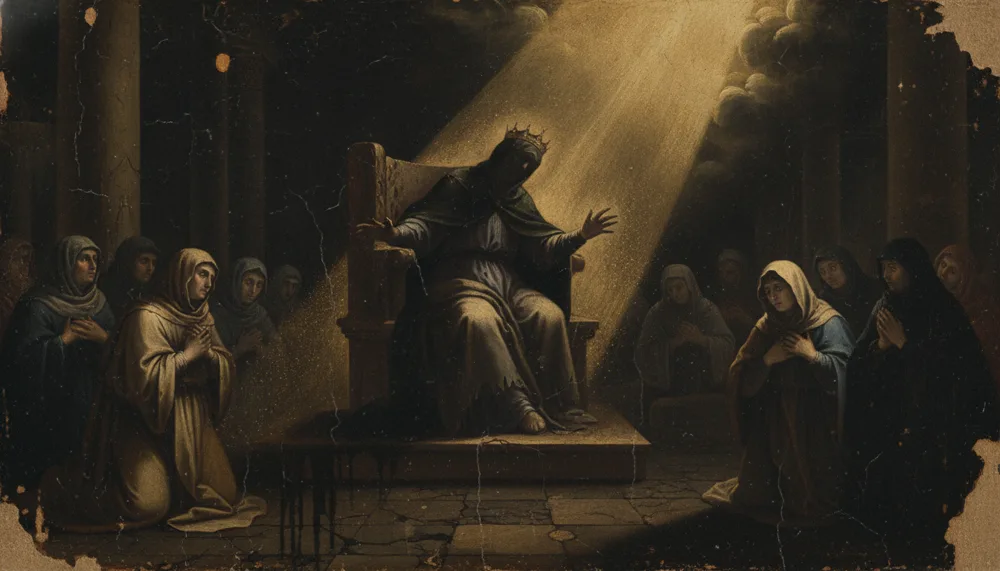
What does God say about the Antichrist? He says he is real, he is to come, and he is known by one mark above all: "He is Antichrist who denieth the Father and the Son" (1 John ii. 22). Scripture sets him among the forerunning signs of the end, not as a riddle to be decoded by date and headline, but as a deceiver to be resisted by faith. The Catholic answer is firm and unspectacular: there is a man of sin to appear before the Judgment, and our part is not to name him but to persevere.
Who Is the Antichrist?
Saint John gives the surest definition. The Antichrist is the one who denies that Jesus is the Christ, and so denies the Father and the Son together: "Who is a liar, but he who denieth that Jesus is the Christ? This is Antichrist, who denieth the Father and the Son" (1 John ii. 22). The mark is not a number on a forehead or a face on a coin; it is a denial. Whoever sets himself against the truth that the Son is come in the flesh from the Father carries the spirit of the Antichrist.
Saint John is careful to distinguish the one who is to come from the many who already share his spirit: "Little children, it is the last hour; and as you have heard that Antichrist cometh, even now there are become many Antichrists" (1 John ii. 18). There is a single adversary still to appear, and there are countless lesser ones in every age who do his work before him. This is why the question "who is the Antichrist" cannot be answered with a name. The Church names the office and the mark, and leaves the man hidden until God reveals him.
What Does the Bible Say About the Antichrist?
The fullest portrait is in Saint Paul. Writing to the Thessalonians who were shaken by rumours that the day of the Lord was already at hand, he forbids them to be deceived: "For unless there come a revolt first, and the man of sin be revealed, the son of perdition, who opposeth, and is lifted up above all that is called God, or that is worshipped, so that he sitteth in the temple of God, shewing himself as if he were God" (2 Thessalonians ii. 3-4). Here is the Antichrist of the Bible: the man of sin, the son of perdition, who does not merely deny God but usurps His place and demands the worship owed to God alone.
Saint Paul adds that his coming is by the power of Satan, "in all power, and signs, and lying wonders" (2 Thessalonians ii. 9), and that he will deceive those who "receive not the love of the truth, that they might be saved" (2 Thessalonians ii. 10). His weapon is deception, and his victims are those who have first refused the truth.
The Apocalypse gathers the same teaching under its figures of the beast and the false prophet who make war upon the saints and are overthrown at the coming of the Lamb (Apocalypse xiii; xix. 20). Across Saint John's epistles, Saint Paul, and the Apocalypse, one figure stands out: a real adversary, empowered for a season, permitted to deceive many, and destroyed by Christ Himself, "whom the Lord Jesus shall kill with the spirit of his mouth" (2 Thessalonians ii. 8).
The Antichrist Among the Signs of the End
The Church places the Antichrist exactly where Scripture does: among the signs that precede the General Judgment, and nowhere else. The Roman Catechism teaches that three principal signs must come first — "the preaching of the Gospel throughout all the earth, the apostasy, and the Antichrist" — and it cites Saint Paul's very warning, that "so long as the apostasy be not come, and the man of sin shall not have appeared, the Judgment will not take place." The revolt comes before the man of sin, and the man of sin before the end. We treat that wider sequence in what does God say about the end times, and the four realities that hang upon that day in the four last things.
This is the whole reason the Church speaks of the Antichrist at all: to keep the faithful from being deceived. Saint Paul wrote precisely "that you be not easily moved from your sense, nor be terrified" (2 Thessalonians ii. 2). The doctrine is a guard, not a thrill. The reader who wants to verify these passages for himself will find them, in their full context, among our Catholic Bible verses on the last things.
Against the Date-Setters
Here the Catholic reading parts firmly from the sensational ones. Our Lord shut the door on every calculation: "But of that day and hour no one knoweth, no, not the angels of heaven, but the Father alone" (Matthew xxiv. 36). The Roman Catechism, treating this very article of the Creed, repeats it alongside Saint Paul's "the day of the Lord shall come as a thief in the night," and warns the faithful "not to suffer ourselves to be deceived, by believing that the day of the Lord is at hand." To pin the Antichrist on a living politician, to read a barcode or a pandemic as the mark of the beast, to publish the year of his coming — all of this Scripture forbids in advance.
It is not vigilance; it is the restless curiosity Christ rebuked. The honest answer to "when" and "who" is the one the Apostles received: "It is not for you to know the times or moments, which the Father hath put in his own power" (Acts i. 7).
Correcting the Popular Misreadings
We hold this charitably toward persons but firmly toward the errors. The common Protestant reflex of naming the Antichrist — whether a particular man, an institution, or a national enemy — turns a revealed warning into a weapon of sectarian polemic, and almost always against the Catholic Church herself, which is the very pillar and ground of the truth (1 Timothy iii. 15). The new-age habit of dissolving the Antichrist into a vague "negative energy" empties the word of its meaning: Scripture names a person, the man of sin, not a mood.
And the fundamentalist appetite for rapture timetables and decoded prophecy collides head-on with "of that day and hour no one knoweth." The mark of the Antichrist is doctrinal — the denial of the Father and the Son — and the only safeguard against him is to hold the faith whole and to live in sanctifying grace, so that we are found among those who have received the love of the truth.
What God Asks of Us: Perseverance
The point of the doctrine is practical. Against the deceiver, Christ asks not calculation but endurance: "But he that shall persevere to the end, he shall be saved" (Matthew xxiv. 13). The defence against every spirit of Antichrist is the same that the Church has always counselled against the enemy of souls — the spiritual combat of watchfulness, the sacraments that keep the soul in grace, and steady prayer. We guard the faith by living it: by frequent recourse to what is Confession, by the daily discipline of mental prayer, and by holding fast to the Creed we profess. The man who keeps his last end before him, the Roman Catechism teaches, "shall never sin" — and the man who keeps the faith whole has nothing to fear from the man of sin.
The Antichrist will come, and Christ will destroy him by the breath of His mouth. Between now and then, God says only what He has always said: do not be deceived, do not be terrified, and persevere. This is one of the questions we answer from the traditional sources across our series on what does God say.
Frequently Asked Questions
What does God say about the Antichrist?
God says the Antichrist is real, is yet to come, and is known above all by one mark: "He is Antichrist who denieth the Father and the Son" (1 John ii. 22). Saint Paul foretells him as "the man of sin... the son of perdition" who exalts himself above God and is permitted, by Satan's power, to deceive many before the end (2 Thessalonians ii. 3-10). Yet Christ forbids all date-setting — "of that day and hour no one knoweth" (Matthew xxiv. 36) — so the Church names the office and the mark, not the man, and asks of us not calculation but perseverance: "he that shall persevere to the end, he shall be saved" (Matthew xxiv. 13).
Who is the Antichrist?
Scripture names the office and the mark, not the man. Saint John gives the surest definition: the Antichrist is the one "who denieth the Father and the Son" (1 John ii. 22), and Saint Paul calls him "the man of sin... the son of perdition" who "sitteth in the temple of God, shewing himself as if he were God" (2 Thessalonians ii. 3-4). The Church leaves the individual hidden until God reveals him, and warns that "even now there are become many Antichrists" (1 John ii. 18) who already share his spirit.
What does the Bible say about the Antichrist?
The fullest portrait is in Saint Paul, who describes a single adversary empowered by Satan "in all power, and signs, and lying wonders" (2 Thessalonians ii. 9), permitted to deceive those who "receive not the love of the truth" (ii. 10), and destroyed by Christ, "whom the Lord Jesus shall kill with the spirit of his mouth" (ii. 8). The Apocalypse gathers the same teaching under the figures of the beast and the false prophet who war on the saints and are overthrown at the coming of the Lamb (Apocalypse xiii; xix. 20).
When will the Antichrist come?
No one can set the date. Our Lord shut the door on every calculation: "Of that day and hour no one knoweth, no, not the angels of heaven, but the Father alone" (Matthew xxiv. 36). The Church teaches only the order of the signs — the preaching of the Gospel to all nations, the great apostasy or "revolt," and then the man of sin — before the General Judgment. To pin the Antichrist on a living figure or to publish the year of his coming is the restless curiosity Christ rebuked, not vigilance.
How can we recognise the spirit of Antichrist?
By its doctrine, not by spectacle. The mark is the denial that Jesus is the Christ come in the flesh from the Father (1 John ii. 22) — the refusal of the love of the truth. The safeguard is therefore to hold the faith whole and to live in sanctifying grace, so as to be found among those who have received the truth and cannot be deceived by "lying wonders."
What does God ask of us regarding the Antichrist?
Not calculation but endurance. Saint Paul wrote of the man of sin precisely "that you be not easily moved from your sense, nor be terrified" (2 Thessalonians ii. 2). The defence is the ordinary spiritual combat: watchfulness, the sacraments that keep the soul in grace, steady prayer, and holding fast to the Creed — for "he that shall persevere to the end, he shall be saved" (Matthew xxiv. 13).
The Iter Fidei app carries the Douay-Rheims Bible, the catechism, and the prayers. Join early access here.
Sources. Holy Scripture, Douay-Rheims version: 1 John ii. 18, 22; 2 Thessalonians ii. 2-4, 8-10; Apocalypse xiii, xix. 20; Matthew xxiv. 13, 36; Acts i. 7; 1 Timothy iii. 15. Catechism of the Council of Trent (Roman Catechism, 1566), on the eighth article of the Creed, "He shall come to judge the living and the dead" — the two comings of the Son of God, the day of the Lord, and the three forerunning signs of the Judgment: the preaching of the Gospel, the apostasy, and the Antichrist.