
The Faith
What Does the Bible Say About Alcohol? The Catholic Answer
What does God say about alcohol? Scripture treats wine as a gift of God and condemns drunkenness, not drinking. We give the traditional Catholic answer: temperance, not prohibition, read with the Church and the catechism.
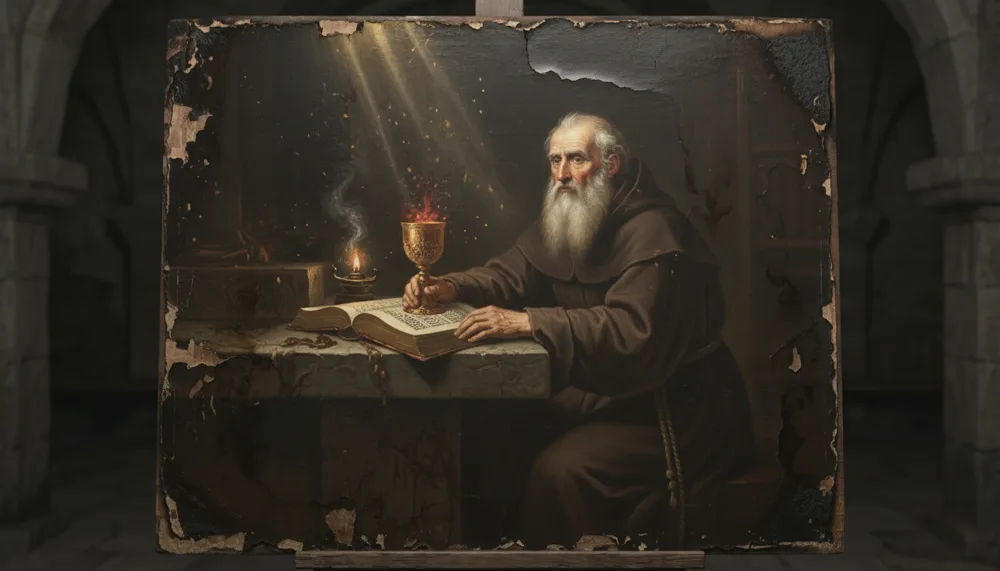
What does God say about alcohol? He gives wine to man as a gift and forbids the abuse of it: Scripture blesses the cup that "may cheer the heart of man" (Psalm ciii. 15) and warns, in the same breath, "Be not drunk with wine, wherein is luxury" (Ephesians v. 18). So drinking is not a sin; drunkenness is. The Catholic teaching has never been prohibition but temperance — the moderate, grateful use of a good thing God Himself made.
Be not drunk with wine, wherein is luxury; but be ye filled with the Holy Spirit. — Ephesians v. 18 (Douay-Rheims)
What does the Bible say about alcohol?
The Bible says two things about alcohol, and it holds them together. The first is that wine is a gift of God, given to gladden men. The Psalmist names it among the Creator's mercies, with bread and oil: God brings "wine that may cheer the heart of man... and that bread may strengthen man's heart" (Psalm ciii. 15). Wine is set beside the staples of life as one of God's good things, a sign of His bounty and of feasting and joy.
That he may bring bread out of the earth, and that wine may cheer the heart of man: that he may make the face cheerful with oil, and that bread may strengthen man's heart. — Psalm ciii. 14–15 (Douay-Rheims)
The second thing the Bible says is that this gift can be turned into a snare. The same Scripture that praises wine warns against its abuse without flinching: "Wine is a luxurious thing, and drunkenness riotous: whosoever is delighted therewith shall not be wise" (Proverbs xx. 1). The book of Ecclesiasticus weighs both sides on one page: "Wine drunken with moderation is the joy of the soul and the heart... Wine drunken with excess raiseth quarrels, and wrath, and many ruins" (Ecclesiasticus xxxi. 36, 38). The thing is good; the excess is evil. To read what the Bible says about alcohol is to hold both truths at once, exactly as the Church holds them.
Scripture's word for alcohol is almost always wine, and it names it among the staples of a blessed land — God will bless "thy corn, and thy vintage, and thy oil" (Deuteronomy vii. 13). Wine was poured out in the sacrifices of the old Law, and the priest Melchisedech, a figure of Christ, "bringing forth bread and wine" (Genesis xiv. 18), foreshadowed the Sacrifice of the new. Wine is good — so good that God would make it the matter of a Sacrament — and for that very reason its abuse is the more grievous.
Is drinking a sin?
No — drinking is not a sin. To say it were would be to condemn what God blessed and what His own Son did. Our Lord's first miracle was to make wine. At the wedding at Cana, when the wine failed, He turned six stone jars of water into wine, "the good wine" the steward marvelled at (John ii. 9–10). "This beginning of miracles did Jesus in Cana of Galilee; and manifested his glory" (John ii. 11). He did not provide bread for the poor or healing for the sick; He provided wine for a wedding feast, and thereby blessed both marriage and the cup. At the Last Supper He took wine and made it the matter of the Holy Eucharist, His own Precious Blood. A creature that can be raised to the altar is no evil.
Now there were set there six waterpots of stone... Jesus saith to them: Fill the waterpots with water. And they filled them up to the brim... and the chief steward had tasted the water made wine. — John ii. 6–9 (Douay-Rheims)
St Paul even tells Timothy to use a little wine for his health: "Do not still drink water, but use a little wine for thy stomach's sake, and thy frequent infirmities" (1 Timothy v. 23) — the Apostle counsels wine as a remedy. So Scripture and the whole Catholic tradition agree: to drink in moderation is no sin. The sin lies elsewhere — in excess, in losing the use of reason, in making a god of the belly.
What is drunkenness, and why is it a sin?
Drunkenness is the deliberate drinking of wine to the point of losing the use of reason. It is grave because reason is the image of God in man; to drown it on purpose is to unman oneself, to throw away for an hour the very faculty by which we know and love God. St Paul lists drunkards among those shut out of heaven: "Nor drunkards, nor railers, nor extortioners, shall possess the kingdom of God" (1 Corinthians vi. 10). He names "drunkenness, revellings, and such like" among the works of the flesh, and adds the warning: "they who do such things shall not obtain the kingdom of God" (Galatians v. 21). This is not a minor matter the Church may soften.
Drunkenness belongs to the capital vice of gluttony, the disordered love of food and drink. The Catechism of St Pius X counts gluttony among the seven capital vices and teaches that we "triumph over gluttony by abstinence." This is one of the seven deadly sins, and like all of them it is a source of further sins — Ephesians joins drunkenness to luxury, that is, to lust, because the man who has drowned his reason is defenceless against every other passion. It is the abuse of a good, and the abuse is grievous precisely because the thing abused is good.
Temperance, not prohibition: the Catholic answer
The Catholic answer to "what does God say about alcohol" is the virtue of temperance — and temperance is not abstinence imposed on all. The Catechism of St Pius X numbers Temperance among the four cardinal virtues and defines it: "Temperance is the virtue by which we curb the inordinate desires of sensible pleasures and use temporal goods with moderation." Mark the words: not suppress the pleasures, but curb the inordinate ones; not renounce temporal goods, but use them with moderation. Wine is a temporal good. The temperate man enjoys it without being enslaved by it.
This is why the Church has never preached prohibition as a doctrine, any more than she preaches that marriage is evil because lust exists, or that money is evil because avarice exists. The error of the puritan is to condemn the gift along with the abuse; the error of the drunkard is to seize the gift and abuse it. Both miss the mean. The Catholic walks the middle road that Scripture itself walks — grateful for the wine that cheers the heart, sober before the wine that drowns the reason. As with money, the thing is morally neutral and the disorder is in the heart; as with marriage, what God has blessed man must not call unclean.
A man may, of course, choose to abstain altogether — for his health, to master a weakness, to do penance, or to give good example where drink has done much harm. Such abstinence, freely embraced, is a high and praiseworthy thing, and many saints practised it. But it is a counsel a soul may take up, not a commandment binding all. The line God draws for everyone is not between drinking and not drinking; it is between temperance and intemperance.
How much is too much? Alcohol consumption in Scripture
When men ask what the Bible says about alcohol consumption, they use a modern, clinical word for what Scripture simply calls wine. The Bible does not measure consumption in units; it measures the heart. Its rule is not a quantity but a disposition: "Wine drunken with moderation is the joy of the soul and the heart" (Ecclesiasticus xxxi. 36). The question is never merely how much but to what end — to gladden a feast and thank the Giver, or to drown the reason and serve the appetite. Scripture sets no fixed number of glasses because the line is drawn inside the soul: drink so far as you remain master of yourself and grateful to God, and no farther.
Bible verses about drinking
The Scriptures we have quoted are the heart of the matter, and they are best read together rather than mined one by one. The same Catholic Bible that calls wine a gift forbids its abuse, and the two never contradict. Where some would seize one verse — "be not drunk" — and build on it a whole law of total abstinence, the Church sets that verse beside Cana, beside the Psalm, beside St Paul's counsel to Timothy, and lets them interpret one another.
This is how the Faith reads her own book, and why the way Catholics read Scripture yields temperance rather than prohibition. A string of Bible verses torn from their setting can be bent to prove anything; read whole, with the catechism, they teach one steady doctrine — receive the gift, refuse the abuse. This is the same answer the Church gives across every moral question we treat in what God says: the disorder behind drink, like the disorder behind anger, is healed not by destroying the good thing but by the grace that orders the soul.
When drink has become a master
For the soul already bound by drink, the Gospel is not despair but mercy. Drunkenness, even habitual, is forgiven like every other sin through repentance and the grace of confession, where the priest, by the power Christ gave him over the sins we loose, absolves and the soul rises again. The remedy thereafter is the slow rebuilding of temperance — by prayer, by the sacraments, by the abstinence the catechism prescribes against gluttony, and by handing the whole weakness to God in the daily work of loving Him above all things. No habit is stronger than grace. The Lord who made the water wine at Cana can make the drunkard sober, and does, in every age.
Conclusion
What does God say about alcohol? He gives it as a gift and forbids us to abuse it. Wine that may cheer the heart of man — and be not drunk with wine, wherein is luxury. The Church has never wavered from this double word: temperance, not prohibition; the moderate, grateful use of a good thing, and the firm refusal of the drunkenness that drowns the reason God gave us to know Him. Receive the gift with thanksgiving. Refuse the excess without compromise. This is the narrow, sane road, and it is the road of the saints.
Frequently Asked Questions
What does God say about alcohol?
God gives wine to man as a good gift and forbids the abuse of it. Scripture blesses the "wine that may cheer the heart of man" (Psalm ciii. 15) and warns in the same breath, "Be not drunk with wine, wherein is luxury" (Ephesians v. 18). The Catholic teaching has never been prohibition but temperance — the moderate, grateful use of a thing God Himself made.
What does God say about drinking alcohol?
He does not forbid drinking; He forbids drunkenness. Our Lord's first miracle was to turn water into "the good wine" at Cana (John ii. 9–10), and He made wine the matter of the Holy Eucharist. To drink in moderation is no sin, as the Catechism of St Pius X teaches under the virtue of temperance: we are to "use temporal goods with moderation," not renounce them.
Is drinking a sin according to the Bible?
No. Drinking in moderation is not a sin; only drunkenness is. St Paul even tells Timothy to "use a little wine" for his health (1 Timothy v. 23). What Scripture condemns is the abuse, not the use.
What does the Bible say about drunkenness?
It condemns it gravely. St Paul names drunkards among those who "shall not possess the kingdom of God" (1 Corinthians vi. 10) and lists drunkenness among the works of the flesh (Galatians v. 21). It is the deliberate loss of reason, the image of God in man, and belongs to the capital vice of gluttony.
Did Jesus drink wine?
Yes. Our Lord made wine at Cana, drank it Himself, and at the Last Supper consecrated wine into His own Precious Blood. His enemies even slandered Him as "a man that is a glutton and a wine drinker" (Matthew xi. 19) for eating with sinners.
Does the Bible teach total abstinence from alcohol?
No. The Bible nowhere commands all men to abstain from wine; it commands temperance. Abstinence freely chosen for health, penance, or to master a weakness is praiseworthy, but it is a counsel, not a law binding everyone.
The Iter Fidei app carries the Douay-Rheims Bible, the catechism, and the prayers of the Church. Join early access here.
Sources. The Holy Bible, Douay-Rheims version: Genesis xiv. 18; Deuteronomy vii. 13; Psalm ciii. 14–15; Proverbs xx. 1; Ecclesiasticus xxxi. 36, 38; Matthew xi. 19; John ii. 6–11; Ephesians v. 18; 1 Timothy v. 23; 1 Corinthians vi. 10; Galatians v. 21. Catechism of St Pius X (1908), Part Five — on the cardinal virtue of Temperance ("the virtue by which we curb the inordinate desires of sensible pleasures and use temporal goods with moderation"), and on the capital vices, gluttony, and triumphing over gluttony by abstinence.