
News
Colorado: Catholic schools go to the Supreme Court rather than deny the Church's teaching
The U.S. bishops defend before the Supreme Court Catholic preschools in Colorado that refuse to abandon the Church's teaching on admissions in order to join the State's universal preschool programme.
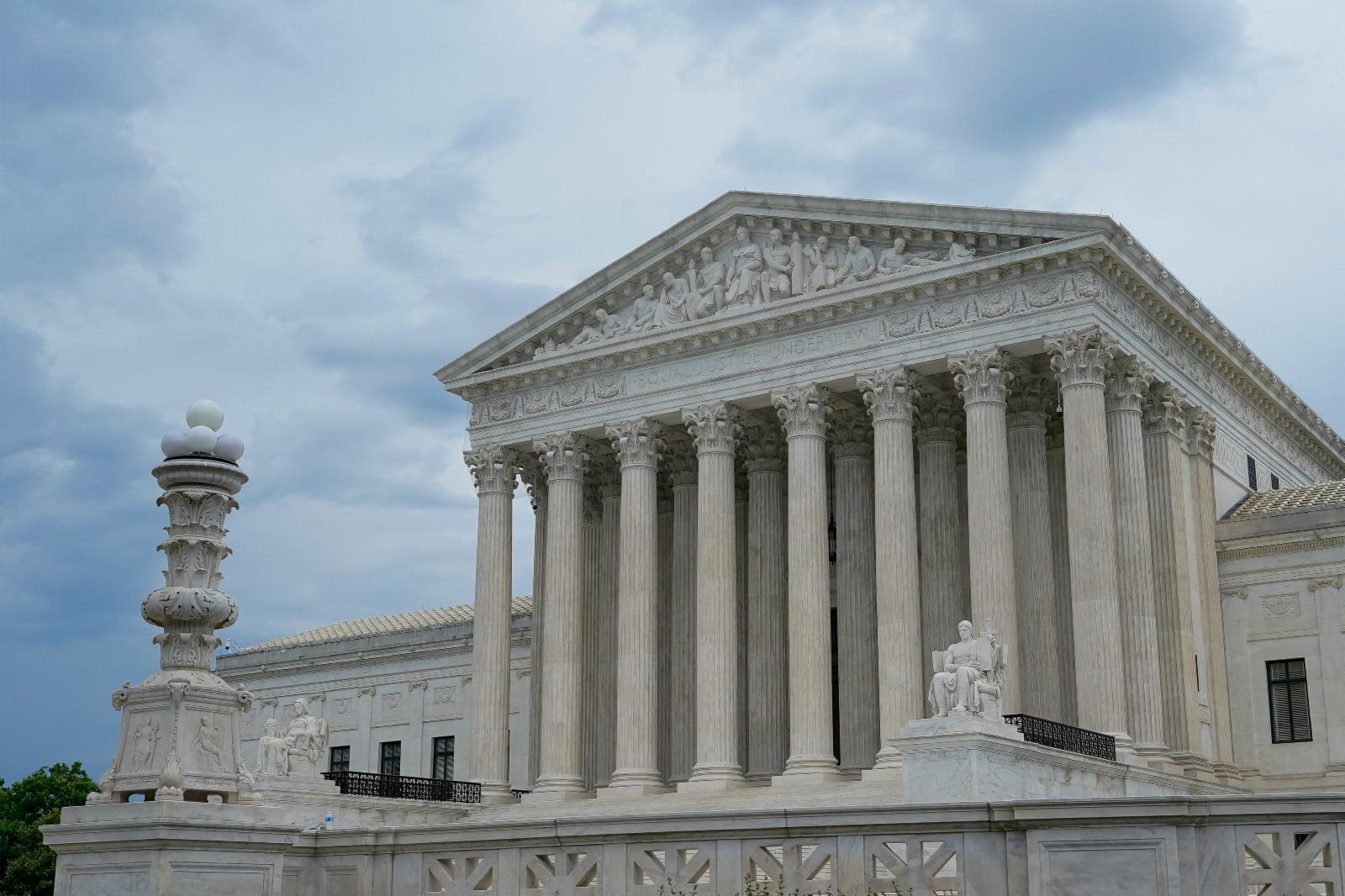
The United States Conference of Catholic Bishops has filed an amicus curiae brief before the Supreme Court in favour of Catholic preschools in Colorado. Two parents, two parishes and the Archdiocese of Denver ask to be admitted to the State's universal preschool programme without renouncing the Church's teaching on admissions. The dispute is known as St. Mary v. Roy, and is directed against Colorado's Department of Early Childhood.
The Church has never held the education of children to be a neutral matter. She claims, by divine right, her own share in the forming of the souls redeemed at baptism, and that share bends to no civil authority. To educate is to order the child to his last end; a Catholic school that would admit indifferently, without regard to the faith and morals of families, would cease to be what it claims to be. Marriage is the union of one man and one woman, and man is created male and female; to teach otherwise, or to fall silent where the State demands silence, is already to betray.
Colorado opens its programme to secular and confessional schools alike, but forbids any participating school to turn a child away on the ground of “gender identity” or “sexual orientation.” The Catholic schools answer that such a rule strips them of the power to admit only those children whose parents adhere to the Church's doctrine on these points. The brief sees in it one more example of States and cities using non-discrimination rules to “quietly pressure or marginalise certain religious beliefs,” and warns that such a tendency, if it continues, would ruin the ability of Catholic works to serve the common good alongside the public authorities.
What the civil power calls non-discrimination, the doctrine calls confusion: the Church is not asked to open her doors, she is asked to silence that for which those doors exist. A school that no longer dares say to whom it belongs has already ceased to teach.
Sources. Catechism of the Council of Trent (1566), on the sacrament of Matrimony and on the sixth commandment; Genesis i, 27 in the Vulgate, “masculum et feminam creavit eos” — “male and female he created them” (Douay-Rheims); Pius XI, encyclical Divini Illius Magistri (1929) on the Christian education of youth, and encyclical Casti Connubii (1930) on Christian marriage.