
News
Indianapolis: Sunday Mass dispensation for the faithful who fear arrest
In Indianapolis, a decree dispenses through 30 September from the Sunday Mass obligation the faithful who fear an arrest linked to immigration.
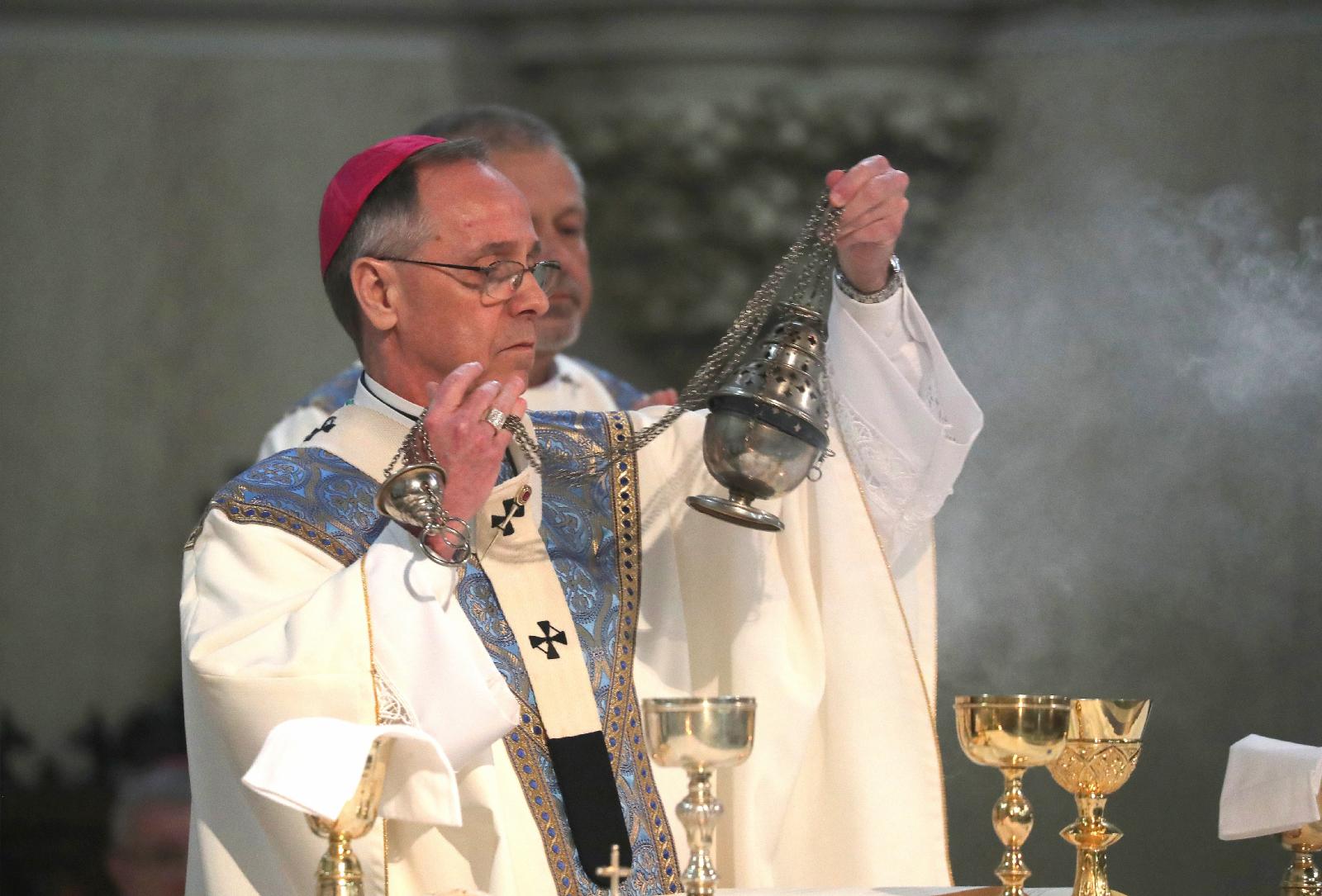
By a decree dated 4 September and in force until 30 September, the Archbishop of Indianapolis has dispensed from the obligation to attend Mass on Sundays and holy days those faithful who have “reasonable grounds to fear being detained, separated from their families, or subjected to intimidation” on account of the tightening of immigration enforcement. The measure extends also to “those who possess the appropriate legal documentation,” and was taken, the decree says, in accord with canon law.
The obligation to hear Mass on Sunday flows from the third commandment, which orders us to sanctify the Lord’s day; the Church has made of it a precept binding under pain of grave sin. But this precept, like every positive law, yields before a proportionate excusing cause: moral impossibility, notable harm, grave fear. He who, to reach the altar, would expose himself to being torn from his own is not bound; grave fear excuses of itself, before any decree. The Ordinary, for his part, may dispense his subjects for a just cause. Tradition does not judge the person of the frightened faithful: it recalls the exact measure of his obligation.
The archbishop invited those who use the dispensation to follow a televised Mass, to meditate on the Sunday readings and to pray the rosary; he asked pastors to see to Penance, the Anointing of the Sick and the Communion of those prevented from coming. It must be said plainly: a Mass followed on a screen does not satisfy the precept, for this requires bodily presence at the Holy Sacrifice; it is a pious help, not a fulfillment.
“While recognizing the need for law enforcement to protect and defend, it is gravely concerning to witness families being torn apart,” writes the prelate, who recalls that “the inherent dignity of being created in the image of God demands that every person be treated with dignity, compassion, and respect.” The charity that protects the weak and the law that punishes the guilty are not opposed; it is the innocent treated as guilty that wounds justice.
Sources. Catechism of the Council of Trent (1566), on the third commandment and the precept of hearing Mass; Exodus xx, 8, on the sanctification of the Lord’s day; the received principle of moral theology, whereby ecclesiastical law yields before moral impossibility and grave fear, and the Ordinary dispenses his subjects for a just cause.