
News
Massachusetts: more than 270 clergy abused nearly 1,000 children in a century
A Massachusetts attorney general's report concludes that more than 270 clergy abused nearly 1,000 children over a century in three dioceses.
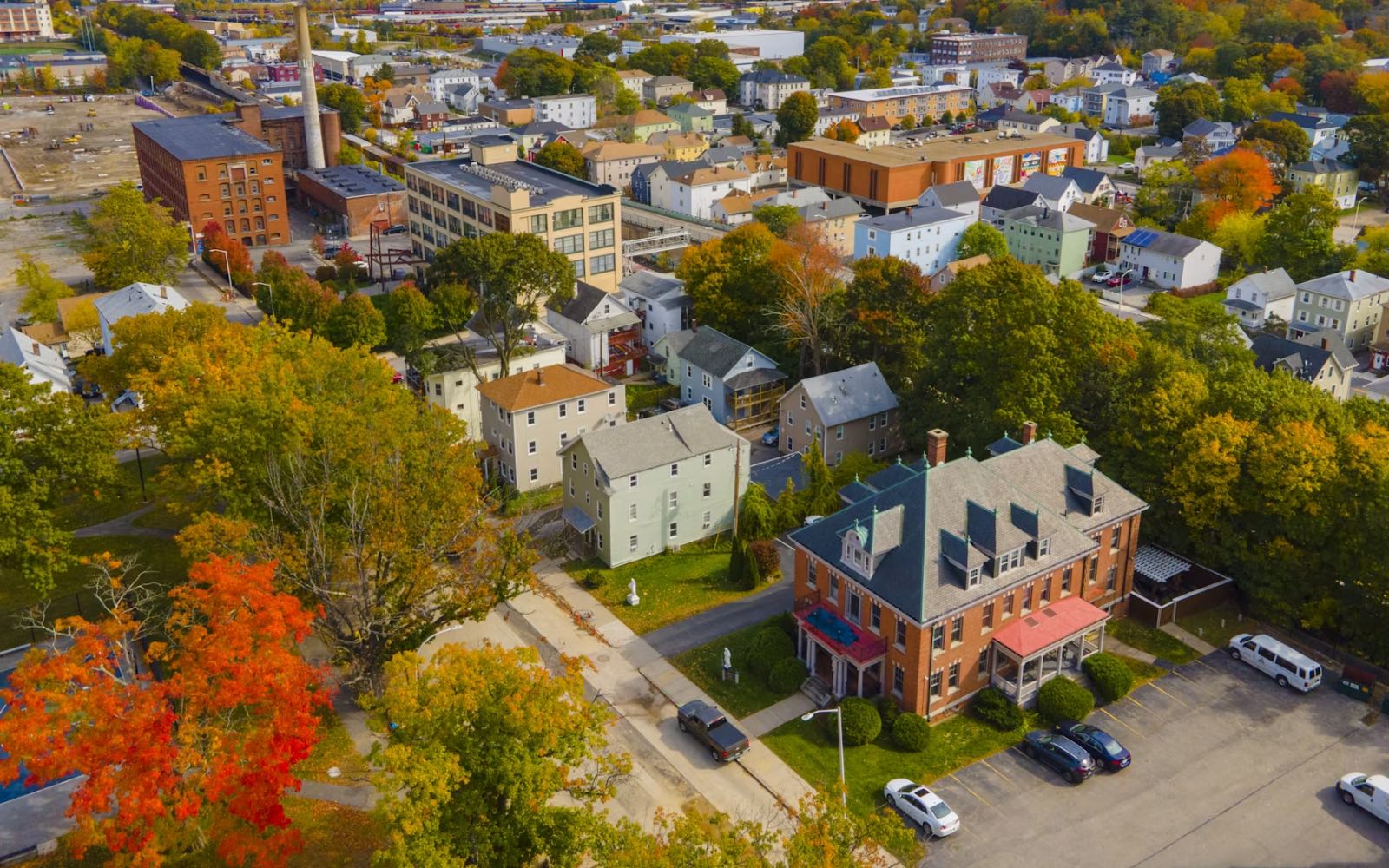
A report by the Massachusetts attorney general, released on 30 September 2026, concludes that more than 270 Catholic clergy abused nearly a thousand children over the course of a century in the dioceses of Fall River, Springfield and Worcester. The inquiry, opened in 2019, examined more than 300,000 pages of documents and gathered interviews with over a hundred people, including victims. It is the first comparable public accounting for these three dioceses; the Archdiocese of Boston had already been examined publicly since 2002.
The report states that diocesan authorities frequently moved accused priests to other parishes and did not systematically report accusations to the police. It attributes the spread of abuse to a "culture of reverence and indulgence" toward priests, and concludes that the three dioceses often failed to document accusations or used coded euphemisms to conceal them. The majority of the known abuse took place before 2002.
On 30 September, the dioceses of Worcester and Fall River apologized to victims. The Bishop of Fall River said he was "filled with pain before the historical account of incidents and practices that reflect the tragic failure to protect the most vulnerable, especially the innocent victims who have suffered, and still suffer, in so many ways." The Bishop of Worcester declared himself "deeply sorry for the abuse of minors committed by priests within this diocese since its founding in March 1950." The Bishop of Springfield saw in the report "a reminder that calls for humility, the humility of constant vigilance in handling every report of the sexual abuse of a child."
What the Church has always taught
Our Lord did not measure His words on the scandal given to children: "But he that shall scandalize one of these little ones that believe in me, it were better for him that a millstone should be hanged about his neck, and that he should be drowned in the depth of the sea" (Matthew 18:6). The Catechism of the Council of Trent ranks scandal among the evils forbidden by the fifth commandment: to draw a neighbour's soul into sin is a spiritual homicide, graver than the killing of the body, since it slays not the passing life but the life of grace.
The measure
The evil is twofold. There is first the crime: consecrated men defiled children entrusted to the Church, joining to the sin against chastity the very scandal the Gospel strikes with the millstone. There is then the concealment. To move an accused priest, to silence a complaint, to code an accusation so as to erase it, is not to protect the Church: it is to hand other children over to the same evil, and to add the betrayal of the pastoral office to the crime it covers. The "reverence" the report describes has nothing of the reverence owed to the priesthood. The priest is honoured for Him whom he represents, not in order to be withdrawn from justice; to spare the guilty at the expense of the innocent inverts exactly the order the fifth commandment protects.
What the faithful must hold
Two truths stand together without contradiction. The priesthood remains holy, and the crimes of those who have profaned it do not diminish it; the grace of the sacraments does not depend on the virtue of the minister. But the holiness of the state makes the crime blacker, not more excusable, and no institution preserves itself by covering sin. We hold to the faith as the Church has always taught it, we name the evil by its name, and we know that the judgment men have deferred, God does not defer.
Sources. Gospel according to St Matthew, 18:6 (Douay-Rheims, Clementine Vulgate). Catechism of the Council of Trent (1566), on the Fifth Commandment, on scandal as spiritual homicide.