
News
Sri Lanka: fifteen men convicted for the 2019 Easter massacre of Christians
Sri Lanka’s High Court has convicted fifteen men for the 2019 Easter Sunday suicide bombings against three churches and three hotels.
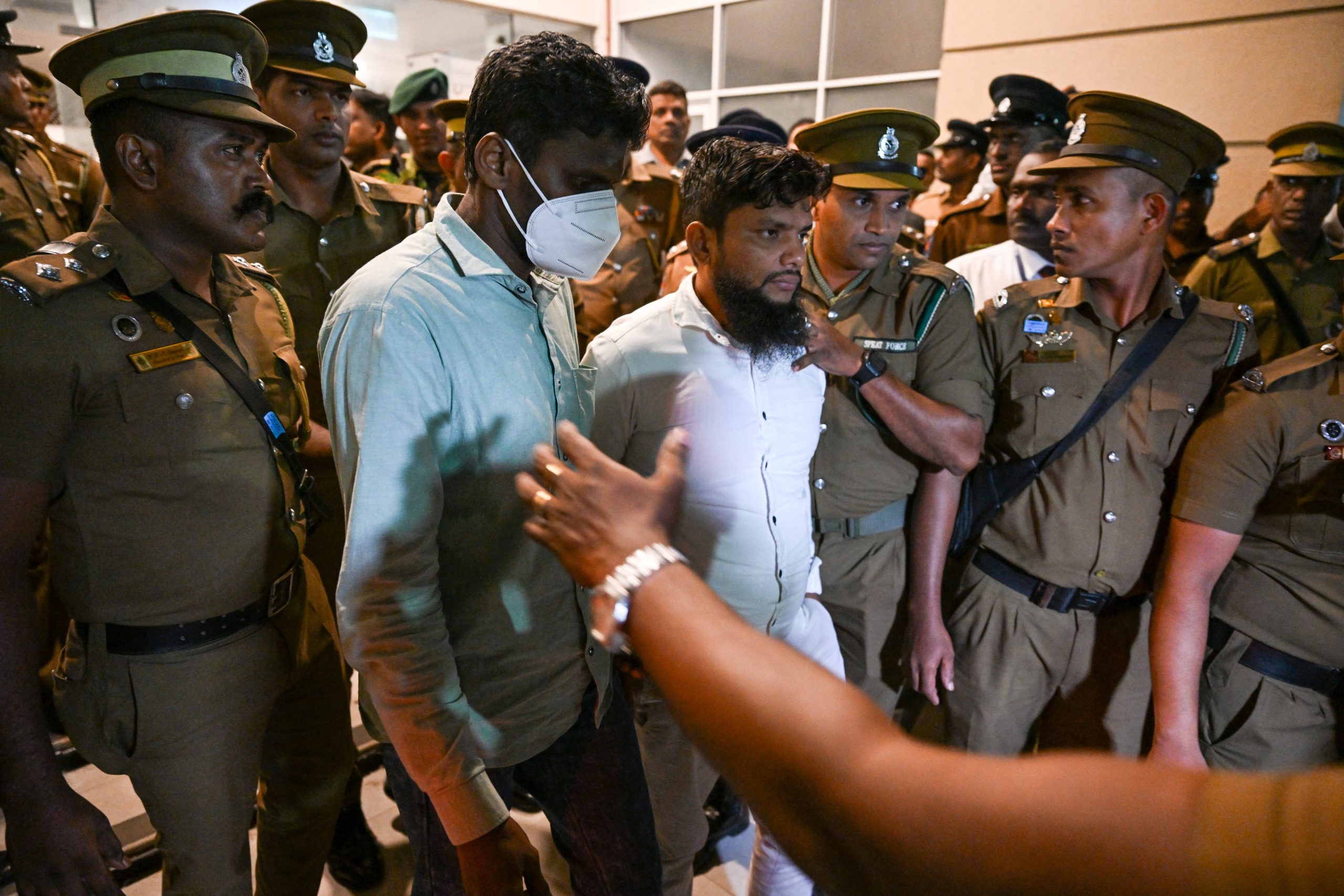
On 22 September 2026, a bench of three judges of the High Court of Colombo handed down the first criminal convictions directly tied to the massacre of Easter Sunday 2019. Fourteen defendants were found guilty on all counts — murder, conspiracy to commit acts of terrorism, and possession of firearms and explosives under the anti-terrorism law; a fifteenth on some of the counts; nine others were acquitted. Each of the fifteen was sentenced to the confiscation of his property and to a term the reports give variously: two hundred and twenty years in prison by some accounts, “at least two hundred years” by others.
The attacks had struck, on 21 April 2019, three churches and three luxury hotels, while the faithful were celebrating the Resurrection. The trial lasted nearly five years and bore on more than twenty-three thousand two hundred and seventy counts of indictment, the greatest number ever brought together in a single case in the country’s judicial history; these charges had been filed in 2021 against twenty-five suspects, one of whom died before judgment. Among those convicted on all counts is Mohamed Naufar, presented by the prosecution as the mastermind who backed the commando of eight suicide bombers. The attacks were inspired by the Islamic State group; all those convicted belong to the country’s Muslim minority; none of the direct perpetrators is still alive.
The toll itself remains variously established: two hundred and seventy-nine dead, of whom forty-five were foreigners, by some accounts; two hundred and sixty-seven dead, five hundred and seventy-four wounded and forty-two foreigners by others. The verdict was delivered under heavy security, hundreds of police deployed around the court. In July, a former police chief and a former security official had already been sentenced to death for criminal negligence, for having failed to prevent the attacks despite prior intelligence.
The Catholic Church of the island, which has for years demanded that accounts be rendered, welcomed these convictions. “At last, justice is done. It has taken a long time to get here,” said a Catholic priest. A survivor, wounded in the head, confided: “We came today, victims of this attack, to receive justice. Whatever the court says, we will bow our heads and accept it.”
What the tradition teaches
The fifth commandment forbids killing, and the slaying of the innocent is among the sins that, according to Scripture, cry to heaven for vengeance: “The voice of thy brother’s blood crieth to me from the earth” (Genesis 4:10). To strike unarmed men, gathered to pray on the day of the Resurrection, is of that number.
But the same commandment does not forbid the magistrate to punish the guilty. The Catechism of the Council of Trent teaches it expressly: lawful authority, to whom the guardianship of life and death is entrusted, when it chastises criminals according to the laws, is so far from being guilty of murder that it faithfully obeys that divine law which forbids killing; it is, according to the Apostle, “God’s minister: an avenger to execute wrath upon him that doth evil” (Romans 13:4), and it bears not the sword in vain.
The measure
That a public authority should investigate for five years, establish the facts and strike the guilty with a punishment proportioned to the enormity of the crime belongs to its proper office, and the tradition recognises in it an act of justice, not a private revenge. To render to the guilty what is due to him is the duty of the magistrate, and the Church of the island was right to welcome this judgment.
This justice remains, however, partial. The direct perpetrators are dead, beyond the reach of any human court; the very figures of the dead do not agree; and no verdict restores their children to the families nor closes the wound opened at the foot of the altar. The justice of men reaches acts; it reaches neither hearts nor the dead. Those belong to a higher tribunal, where the blood spilled will be weighed without error.
What to take from it
That Christians were massacred for celebrating Easter is not distant news: it is the condition of the disciple, to whom the Master promised the hatred of the world. We must pray for the departed, many of whom fell confessing the Name, pray also for the conversion of their murderers, and hold firm the faith that knows the Cross always precedes the Resurrection. The justice rendered here below is a good; it is not the last word.
Sources. Catechism of the Council of Trent (1566), on the fifth commandment, on the gravity of homicide and on the right of the magistrate to punish the guilty according to the laws. Holy Scripture: Genesis 4:10 and the Epistle of Saint Paul to the Romans 13:4 (Douay-Rheims, from the Vulgate).