
News
Fulton Sheen beatified: the Holy Hour, the measure of a life
Archbishop Fulton Sheen will be beatified on 24 September 2026 in Saint Louis; his life is measured by the Holy Hour that tradition has always taught.
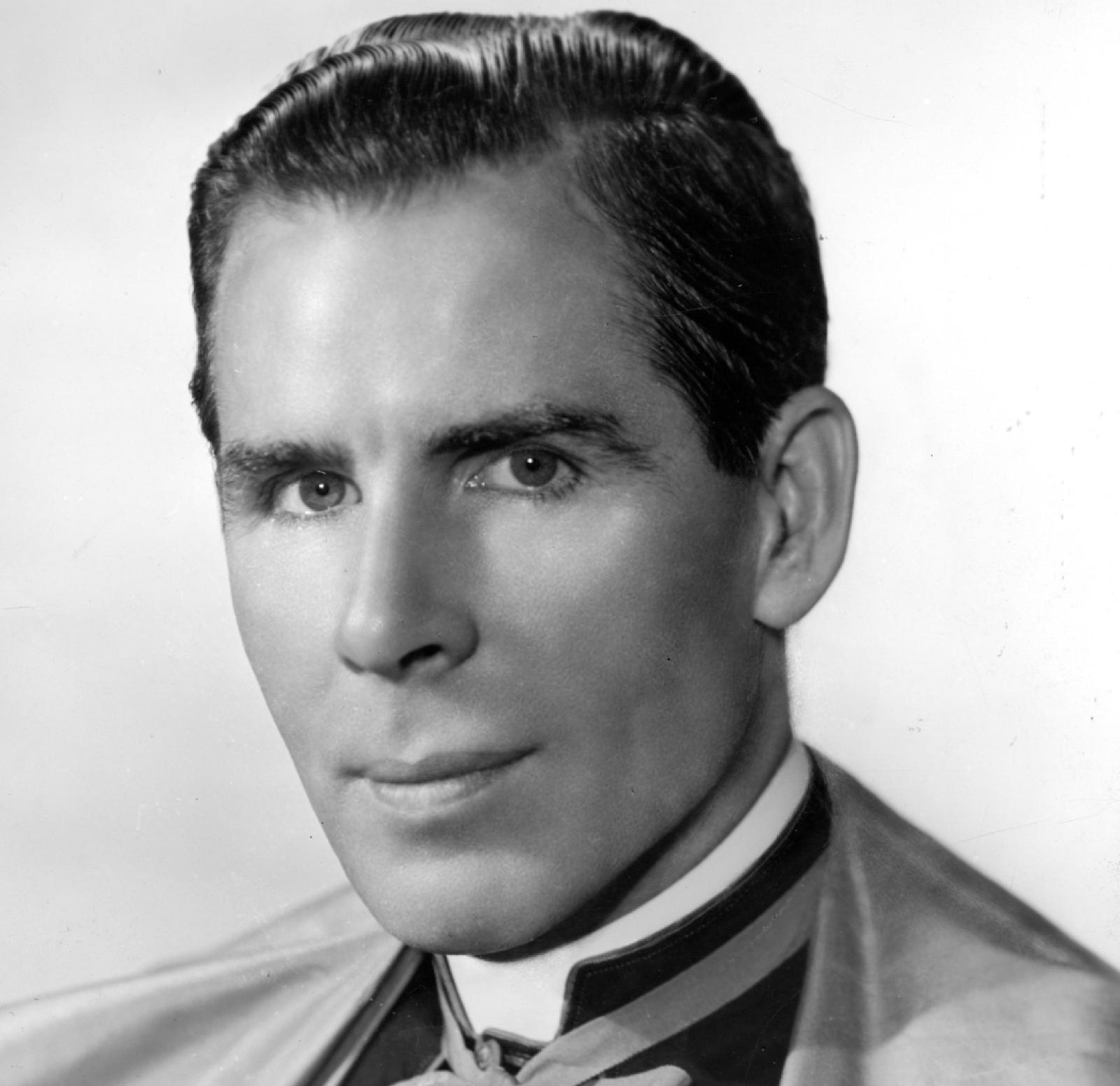
Archbishop Fulton J. Sheen (1895-1979) will be beatified on 24 September 2026, during the beatification Mass celebrated at the Dome at America's Center in Saint Louis. Cardinal Luis Antonio Tagle, pro-prefect of the Section for First Evangelization and New Particular Churches of the Dicastery for Evangelization, presides as the representative of the pope. The miracle recognized for the beatification is the survival at birth of James Fulton Engstrom, whose mother, Bonnie Engstrom, is a writer.
Ordained a priest at Peoria, Illinois, in 1919, Sheen rests in the Cathedral of Saint Mary of the Immaculate Conception in that same city. The days leading up to the ceremony were marked by a novena of Holy Hours, from 15 to 23 September at Peoria, a Mass by Cardinal Tagle at the cathedral on the 22nd, and Vespers at Saint Louis on the 23rd.
In his lifetime Sheen was a preacher known to a whole nation: he directed and hosted on radio "The Catholic Hour" (1930-1968), then on television "Life Is Worth Living" (1952-1957), followed by millions of listeners and viewers, many of them not Catholic, and numerous conversions were attributed to his influence. But the thread that runs through his whole life is not the broadcast: it is the Holy Hour, the daily adoration before the Blessed Sacrament, which he took up during his formation at Saint Paul Seminary (1917-1919) and never again abandoned.
The adoration due to the Blessed Sacrament
The Church has never held the Eucharist to be a mere memorial. The Catechism of the Council of Trent teaches that the faithful owe to "this heavenly Sacrament the divine honours which it merits," for it contains "the very Author and Principle of all sanctity." The worship of latria, due to God alone, therefore belongs to the consecrated Host. To adore the Lord truly present is not an optional devotion born of a pious temperament: it is the exact consequence of what the faith confesses.
And this adoration has a measure that the Lord Himself has fixed. At Gethsemane, finding His disciples asleep, He said to Peter: "What? Could you not watch one hour with me? Watch ye: and pray that ye enter not into temptation" (Mt 26:40-41). The Holy Hour invents nothing; it answers that reproach.
The measure
Sheen took that hour at its word. He made it the centre of his days, every day, his whole life long, and he spoke of it without detour: "The Holy Hour becomes like an oxygen tank to revive the breath of the Holy Spirit in the midst of the foul and fetid atmosphere of the world." A priestly life built on the daily adoration of the Blessed Sacrament stands wholly in the line of what the Church has always taught. On this point there is nothing to correct and everything to keep.
What the faithful should keep from it
What the world remembers first of such a man is the fame and the broadcast. That is not where a life is measured. When the Church raises a man to the altars, she does not canonize his successes: she points to what, in his life, was conformed to holiness. Here that finger points to the hour of silence before the tabernacle. The faithful who would honour this beatification need not imitate a talent; they have an hour to give.
Sources. Catechism of the Council of Trent (1566), on the Sacrament of the Eucharist, on the divine honours due to the Blessed Sacrament. Gospel of Saint Matthew 26:40-41 (Douay-Rheims, 1582/1610).