
The Spiritual Life
What Does God Say About Obedience?
What does God say about obedience? Scripture is plain: "obedience is better than sacrifices" (1 Kings xv. 22). We give the Douay-Rheims text, the Church's teaching, and the one limit — never obey a command to sin.
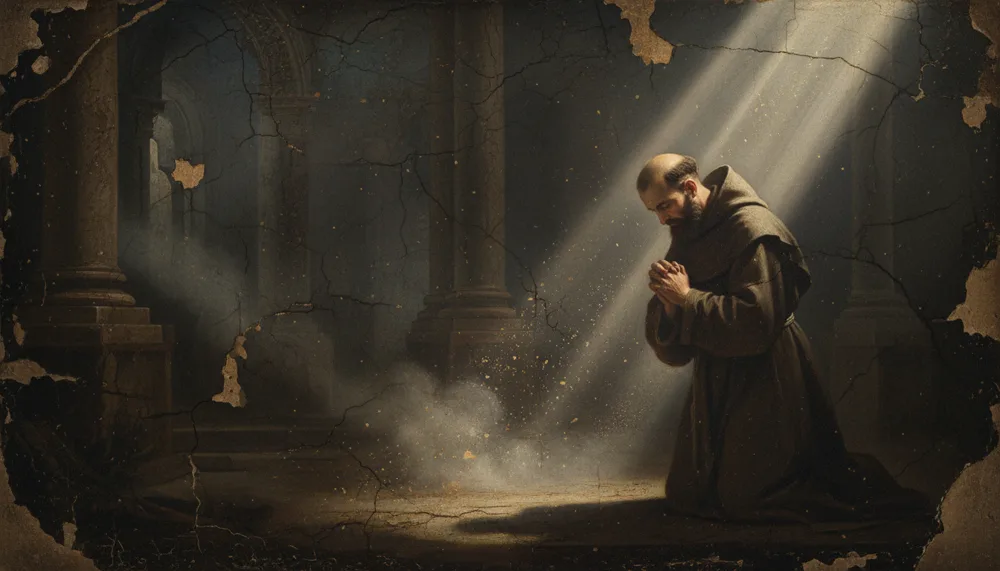
What God says about obedience is set down without softening: obedience is better than sacrifices: and to hearken rather than to offer the fat of rams (1 Kings xv. 22, Douay-Rheims). To obey God is to give Him the one thing He asks before any gift — the surrender of our own will to His. The Bible commands this obedience to God Himself, and, for God's sake, to every lawful authority He has set over us; the single limit is that no man may ever obey a command to sin.
Doth the Lord desire holocausts and victims, and not rather that the voice of the Lord should be obeyed? For obedience is better than sacrifices. — 1 Kings xv. 22 (Douay-Rheims)
This is the plain answer, and it cuts against three popular misreadings: the Protestant notion that obedience is merely "a personal relationship" owing nothing to the visible Church; the new-age idea that the soul is its own authority and obeys only itself; and the fundamentalist habit of obeying a private reading of Scripture against the Church that gave Scripture to the world. We set the Catholic teaching out from the Douay text, St Thomas, and the catechisms. (For more verses in their true sense, see our hub, Catholic Bible verses; for the wider series, What does God say about….)
What does the Bible say about obedience?
The Bible ranks obedience above sacrifice. When Saul kept back the best of the spoils to offer in sacrifice rather than do what the Lord had plainly commanded, Samuel answered him: obedience is better than sacrifices (1 Kings xv. 22). God is not bought with offerings while His will is set aside; He asks first for our will. The ruin of the race begins with one act of disobedience in Eden, and its repair with one act of obedience: by the obedience of one, many shall be made just (Rom. v. 19).
Our Lord makes obedience the very mark of love for Him: If you love me, keep my commandments (John xiv. 15); and He warns that words are not enough: Not every one that saith to me, Lord, Lord, shall enter into the kingdom of heaven: but he that doth the will of my Father who is in heaven (Matt. vii. 21). Obedience is not one virtue among many; it is the form a living faith takes, the works without which faith is dead. (On that, see Faith without works is dead.)
Obedience to God: why obey God at all?
We obey God because He is God — our Creator, our Lawgiver, and our last end — and because His will is the only safe rule for a creature. St Thomas teaches that we are bound to obey God in all things without exception, for His authority is total and His command never unjust (Summa Theologica, II-II, q. 104, a. 4–5). A man may rightly question a human order; he may never rightly question the will of God.
To obey God is also the path of our own peace. The disordered soul wants to be its own god, to answer to no one — the root of the new-age error, which calls self-rule "authenticity" and makes the conscience answer only to itself. Scripture names that posture: it is the sin of Lucifer, non serviam, I will not serve. Against it the saints set the prayer of Our Lord in the garden: not my will, but thine be done (Luke xxii. 42). (On that interior battle, see Spiritual combat, and on the prayer that forms it, Mental prayer.)
Christ "became obedient unto death"
The supreme answer to why we obey is the obedience of Christ Himself. The Son of God, who owed nothing to any creature, made His whole earthly life an act of obedience: He humbled himself, becoming obedient unto death, even to the death of the cross (Phil. ii. 8). The Redemption is, in its inmost form, the undoing of Adam's non serviam by the fiat of the new Adam. The Catechism of St Pius X points to the hidden years at Nazareth: Our Lord lived subject to the Most Blessed Virgin and to St Joseph until He was thirty. If the eternal Son obeyed His Mother and His foster-father, no Christian may hold obedience beneath him. To obey is not to be diminished; it is to be conformed to Christ. (On the family He thereby blessed, see What does God say about family?, and What does God say about parenting?.)
Obedience to lawful authority — for God's sake
God commands obedience not only to Himself, but to the lawful authorities He has set over us, because their authority comes from Him. The Catechism of St Pius X teaches that the Fourth Commandment, Honour thy father and thy mother, commands us to obey them in all that is not sin, and that it also includes all our superiors, both ecclesiastical and lay, to whom we owe obedience and respect — for that authority comes from God, who instituted and ordained both the family and civil society.
The Catechism of the Council of Trent names the cost: even an unworthy superior is to be honoured, for it is neither their perversity nor their malice that we honour, but the divine authority which is in them. We obey the office, not the vices of the man — for we are subject… to every human creature for God's sake (1 Pet. ii. 13). (On the law these duties keep, see The Ten Commandments; on its diligence, What does God say about work?.)
The one limit: "we ought to obey God rather than men"
Catholic obedience is firm, but not unlimited, and here the caricature of "blind obedience" fails. Where any human authority commands what God forbids, the Christian must refuse — and the refusal is itself obedience to the higher Authority. When the Sanhedrin forbade the Apostles to preach Christ, St Peter answered for them all: We ought to obey God rather than men (Acts v. 29).
The catechisms guard this limit precisely. Pius X teaches that we obey superiors in all that is not sin, and keep the laws of the State provided that they are not opposed to the law of God. Trent is blunter: if those in authority ordain something evil or unjust… we should be obliged in no wise to obey them. St Thomas teaches the same (Summa Theologica, II-II, q. 104, a. 5). The Christian never obeys a command to sin, never makes another man his conscience against the law of God. This is the opposite of servility: the freedom of a soul that fears God more than men. (On false worship a Christian must always refuse, see What does God say about witchcraft?; on the order obedience serves, What does God say about justice?.)
The virtue of obedience, and the humility beneath it
Obedience is a virtue, and its root is humility. St Thomas counts it the greatest of the moral virtues bearing on our neighbour, because by it a man offers God the most precious thing he has, his own will (Summa Theologica, II-II, q. 104, a. 3). Sacrifice gives God a thing outside us; obedience gives Him ourselves — which is why it stands above sacrifice.
Against it stands pride — the first of the seven deadly sins, the love of self that refuses to submit; and close behind it the anger that flares when the proud will is crossed. Disobedience is pride made visible; obedience is humility made visible. The proud soul says with Satan, I will not serve; the humble soul says with Mary, Behold the handmaid of the Lord; be it done to me according to thy word (Luke i. 38). To grow in obedience a man must grow in humility, by the ordinary means: prayer, the sacraments, the meditation on God's law that bends the will to His, and the daily death to self-will — reviewed each evening in the daily examen, which catches disobedience before it hardens into habit. (On the pride at its root, see The seven deadly sins; on the grace that heals the will, Sanctifying grace; on the confession that restores it, What is confession?.)
Where this leaves us
What God says about obedience He says without flinching: obedience is better than sacrifices (1 Kings xv. 22). We are made to obey — God first, and for His sake every lawful authority He sets over us — and the one command we may never obey is a command to sin, for we ought to obey God rather than men (Acts v. 29). The soul that learns to say thy will be done is not made smaller but conformed to its Lord, who became obedient unto death (Phil. ii. 8) — and that obedience ends where His ended, in the resurrection beyond the cross. (For the things it is ordered to, see The four last things.)
Frequently Asked Questions
What does God say about obedience?
God ranks obedience above every offering: obedience is better than sacrifices: and to hearken rather than to offer the fat of rams (1 Kings xv. 22). He asks first for our will, not our gifts. To obey God is to surrender the self to its Creator and Lawgiver, which is the whole substance of love for Him: If you love me, keep my commandments (John xiv. 15).
Why should we obey God?
We obey God because He is God — our Creator, our last end, and the only safe rule for a creature. St Thomas teaches that we are bound to obey Him in all things without exception, since His authority is total and His command never unjust (Summa II-II, q. 104, a. 4–5). The refusal to obey is the sin of Lucifer, non serviam; obedience is the soul's true peace.
What is the difference between obedience and sacrifice in the Bible?
Sacrifice offers God a thing outside us; obedience offers Him ourselves. When Saul kept back the spoils to sacrifice rather than obey, Samuel rebuked him: obedience is better than sacrifices (1 Kings xv. 22). This is why St Thomas calls obedience the greatest of the moral virtues toward our neighbour — by it a man gives God the most precious thing he has, his own will (Summa II-II, q. 104, a. 3).
Do Catholics have to obey the government and earthly authorities?
Yes — for God's sake, because their authority comes from Him. The Catechism of St Pius X teaches that the Fourth Commandment binds us to obey not only parents but all our superiors, both ecclesiastical and lay, and to keep the laws of the State, provided that they are not opposed to the law of God. We are subject… to every human creature for God's sake (1 Pet. ii. 13).
Should we obey a bad or unworthy ruler?
We honour the office, not the vices of the man. The Catechism of the Council of Trent teaches that even an unworthy superior is to be honoured, for it is neither their perversity nor their malice that we honour, but the divine authority which is in them. The duty binds the lawful office; it does not excuse or approve the sins of the one who holds it.
When is it right to disobey?
Only when a human authority commands what God forbids — and then refusal is itself obedience to the higher Authority. We ought to obey God rather than men (Acts v. 29). Pius X teaches we obey superiors in all that is not sin; Trent is blunter: if rulers ordain something evil or unjust… we should be obliged in no wise to obey them. A Christian never makes another man his conscience against the law of God.
Is "blind obedience" a Catholic teaching?
No. Catholic obedience is firm but never unlimited: it stops dead at any command to sin, for we ought to obey God rather than men (Acts v. 29). This is the opposite of servility — it is the freedom of a soul that fears God more than men. True obedience submits to lawful authority for God's sake, but it never surrenders the conscience to evil.
How can I grow in the virtue of obedience?
Obedience grows as humility grows, for humility is its root. The proud soul says with Satan, I will not serve; the humble soul says with Our Lady, Behold the handmaid of the Lord; be it done to me according to thy word (Luke i. 38). Grow in it by the ordinary means of grace — prayer, the sacraments, and the daily death to self-will — conforming yourself to Christ, who became obedient unto death (Phil. ii. 8).
The Iter Fidei app carries the Douay-Rheims Bible, the catechism, and the prayers. Download it here.
Sources. Holy Scripture (Douay-Rheims): 1 Kings (1 Samuel) xv. 22; Philippians ii. 8; Acts v. 29; Romans v. 19; St John xiv. 15; St Matthew vii. 21; St Luke i. 38 and xxii. 42; 1 St Peter ii. 13. St Thomas Aquinas, Summa Theologica II-II, q. 104 (On Obedience), articles 1–5 — obedience as a part of justice and the greatest of the moral virtues toward neighbour; the duty to obey God in all things; the limit where a superior commands what is contrary to God. Catechism of St Pius X (1908): Part III, Chapter 3 — The Fourth Commandment (obey parents and superiors "in all that is not sin"; superiors ecclesiastical and lay; authority of family and civil society comes from God; obey the laws "provided they are not opposed to the law of God"; Jesus subject to Mary and Joseph). Catechism of the Council of Trent (1566): Part III, On the Fourth Commandment — obedience due to bishops, priests, kings, magistrates and masters; honouring "the divine authority which is in them" even in unworthy superiors; the duty not to obey when they ordain something evil or unjust.