
The Spiritual Life
What Does God Say About Depression?
What does God say about depression? Scripture meets the heavy heart with tenderness — 'Why art thou sad, O my soul? and why dost thou trouble me?' (Psalm xli). The traditional Catholic reading: bear the cross with hope, resist the temptation to despair, and seek the sacraments and prudent help.
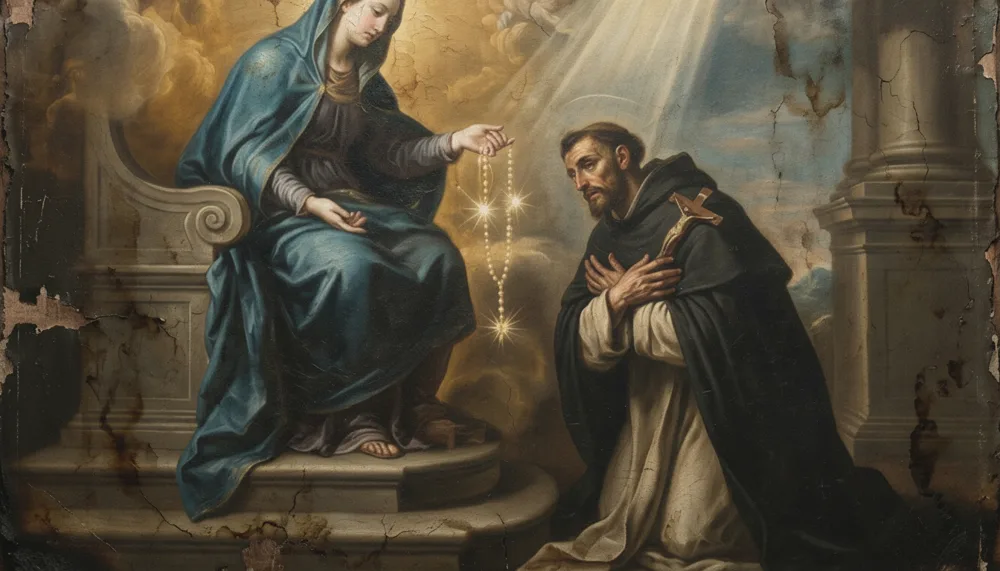
What does God say about depression? He does not despise the heavy heart; He speaks to it. The Douay-Rheims — the traditional English Bible drawn from the Latin Vulgate — puts the sorrowing soul's own question into the Psalter: "Why art thou sad, O my soul? and why dost thou trouble me? Hope in God" (Psalm xli. 6).
Why art thou sad, O my soul? and why dost thou trouble me? Hope in God, for I will still give praise to him: the salvation of my countenance, and my God. — Psalm xli. 6 (Douay-Rheims)
That single verse holds the whole Catholic answer. Scripture does not pretend the sadness is absent; it names it, then turns it toward hope. We write firmly, because half-counsels help no one. There is a sorrow that is a cross to be carried, and there is a temptation to despair to be resisted — and the two must never be confused.
What does the Bible say about depression and the heavy heart?
The Bible knows the heavy heart from end to end, and it neither flinches from sadness nor flatters it. Proverbs gives the plain physical truth any sufferer recognises in his own bones: "A joyful mind maketh age flourishing: a sorrowful spirit drieth up the bones" (Proverbs xvii. 22). Sadness is not imaginary; it wears down the body, it is real. Scripture grants this at once.
Yet it refuses to leave the soul there. The Psalmist who asks "Why art thou sad, O my soul?" answers his own question in the asking — "Hope in God." The grief is admitted, the despair forbidden. This is the rhythm of every one of the Bible verses about depression, and of the wider question what does God say about our trials. The Lord Himself wept at the grave of Lazarus (John xi. 35); He sweated blood in the garden and said "My soul is sorrowful even unto death" (Matthew xxvi. 38). God incarnate tasted the heaviest sadness a man can bear. When we ask what does God say about depression, the first answer is that He came down into it.
God and sadness: the cross to be borne, not a sin to be hidden
Here the traditional teaching must be precise, because a popular misreading does real harm — the idea that a Christian who is sad lacks faith, and that sorrow itself is a failure to be ashamed of. That is false, and we say so plainly though charitably. Sadness is not a sin. It is, for very many souls, a cross.
Our Lord said, "If any man will come after me, let him deny himself, and take up his cross, and follow me" (Matthew xvi. 24). The cross is given, not chosen; it is heavy by definition; it is carried, not wished away. The soul ground down by depression is often carrying precisely such a cross — interior, hidden, crushing — and the call is not to despise it but to bear it with hope, in union with the One who bore His own. To this God promises rest: "Come to me, all you that labour, and are burdened, and I will refresh you... For my yoke is sweet and my burden light" (Matthew xi. 28–30). We dwell on that invitation in Come to Me, All You Who Labour.
So God and sadness are not enemies. The Man of Sorrows does not stand over the depressed soul demanding cheerfulness; He kneels beside it in Gethsemane. The Blessed Virgin, whose own heart a sword pierced through (Luke ii. 35), is honoured by the Church precisely under her sorrows, in the Litany of Our Lady of Sorrows and the Seven Sorrows Chaplet.
What does God say about depression versus despair?
Everything turns on this distinction, and we will not soften it. There is a darkness that is a trial of faith, and there is a temptation called despair which is its counterfeit. The first is suffered; the second is consented to. Despair is the sin by which the soul gives up on God's mercy as though it could not reach far enough — and against it Scripture sets the whole virtue of hope.
The Council of Trent taught that all men ought to place a most firm hope in the help of God. Hope is the firm expectation — founded not on our own strength but on God's omnipotence, goodness, and fidelity to His promises — of eternal life and the helps to reach it. So the sadness, however black, is never a verdict: it cannot touch the ground hope stands on, because that ground is God and not the self.
The soul may feel abandoned and yet not be abandoned. "Cast thy care upon the Lord, and he shall sustain thee" (Psalm liv. 23); "Casting all your care upon him, for he hath care of you" (1 Peter v. 7). We gather this counsel in What Does God Say About Hope? and its near neighbour, the fight against fear. The command throughout is one: hope, never despair.
The saints knew this darkness: dryness and the dark night
The faithful soul in desolation often fears it has been forsaken by God or has lost its faith. The masters answer that this very darkness has been the road of the saints. Tanquerey, the standard pre-conciliar manual of ascetical and mystical theology, treats at length the states of dryness and aridity and the passive purifications the older writers call the dark night — when all sensible consolation is withdrawn, prayer feels empty, and God seems absent, yet the soul is in fact being purified and drawn closer.
The lesson is decisive: the absence of feeling God is not the absence of God. Consolation is not faith; dryness is not damnation. "My God, my God, why hast thou forsaken me?" (Matthew xxvii. 46) is the cry of Christ from the Cross — and it opens a Psalm that ends in triumph. The saints walked this valley; so may a faithful soul today, without having sinned, and without being lost. This is the heart of the spiritual life and of spiritual combat: to hold fast in the dark by hope, not by feeling. The steady practice of mental prayer and recourse to the Sacred Heart of Jesus and the Immaculate Heart of Mary carry the soul through it.
What can the soul do? Trust, the sacraments, and prudent help
The Catholic answer to depression is neither "snap out of it" nor "manage it alone." It is threefold, and all three belong together.
First, trust — the deliberate act of hope made against the feeling, the soul saying with the Psalmist "Hope in God" even when nothing in it feels hopeful. "Have confidence in the Lord with all thy heart, and lean not upon thy own prudence" (Proverbs iii. 5), a verse we open in Trust in the Lord with All Your Heart. And our Lord's own word against the troubled heart: "Let not your heart be troubled. You believe in God, believe also in me" (John xiv. 1), which we take up in Let Not Your Heart Be Troubled.
Second, the sacraments. Confession lifts the weight of real guilt, which is its own crushing sorrow, and restores the soul to peace; the Blessed Eucharist is the Bread that strengthens. Prayer itself is, in the words of the Catechism of the Council of Trent, the refuge and support of our present life, to which God has bound His promise: "Call upon me in the day of trouble: I will deliver thee, and thou shalt glorify me" (Psalm xlix. 15). The Holy Rosary and the great Catholic litanies — among them the Litany of the Immaculate Heart of Mary — give the burdened mind a form to pray in when it can no longer find words of its own.
Third, prudent recourse to legitimate help. There is nothing un-Catholic, and nothing faithless, in seeking the care of a sound physician. Depression has bodily causes as truly as it has spiritual weight — a sorrowful spirit drieth up the bones, and bones are healed by medicine as well as by prayer. The soul is not a ghost in a machine; grace works through nature, and to seek legitimate care is itself an act of the hope that refuses to give up. Reject the false counsel that piety forbids it; reject equally the false counsel that medicine replaces God. Use both, in their order, under hope.
If the temptation runs not merely to sadness but to ending one's life, that is the voice of the enemy and must be refused at once and aloud — to God, and to a living person who can help this hour. We say it plainly in What Does God Say About Suicide?
Hope, never despair
What does God say about depression? He says "Why art thou sad, O my soul? ... Hope in God." He does not condemn the sorrow; He came down into it, wept human tears, sweated blood, and carried His Cross to the end. He asks the heavy-laden soul to lean its whole weight on Him and not on itself, and to use every grace He has given — the sacraments, prayer, the prayers of His Mother, and prudent help. The cross is real and may be carried a long time. But despair is a lie, and it is always refused. The salvation of our countenance is our God.
Frequently Asked Questions
What does God say about depression?
God does not despise the heavy heart; He speaks to it and comes down into it. The Psalter puts the sorrowing soul's own question into Scripture and answers it at once: "Why art thou sad, O my soul? and why dost thou trouble me? Hope in God" (Psalm xli. 6, Douay-Rheims). He names the sadness, then turns it toward hope — for our Lord Himself wept (John xi. 35) and said "My soul is sorrowful even unto death" (Matthew xxvi. 38).
Is depression or sadness a sin?
No. Sadness is not a sin; for very many souls it is a cross to be borne, not a fault to be hidden or ashamed of. Our Lord told us to "take up his cross, and follow me" (Matthew xvi. 24), and the soul ground down by depression is often carrying precisely such an interior, hidden cross. The popular idea that a sad Christian lacks faith does real harm and is false.
What does the Bible say about depression?
The Douay-Rheims knows the heavy heart from end to end and neither flinches from sadness nor flatters it. It grants the plain truth — "a sorrowful spirit drieth up the bones" (Proverbs xvii. 22) — yet refuses to leave the soul in despair, commanding instead "Cast thy care upon the Lord, and he shall sustain thee" (Psalm liv. 23). The rhythm throughout is the same: the grief is admitted, the despair forbidden.
What is the difference between depression and despair?
Depression is a darkness suffered; despair is a sin consented to. Despair gives up on God's mercy as though it could not reach far enough, and against it the Church sets the whole virtue of hope. The Council of Trent taught that all men ought to place a most firm hope in the help of God — so the sadness, however black, is never a verdict, because the ground hope stands on is God and not the self.
Does God forsake the soul in spiritual darkness?
No. The faithful soul in desolation often fears it has been forsaken, but the masters answer that this very darkness has been the road of the saints. Tanquerey treats the states of dryness and aridity and the passive purifications older writers call the dark night, when consolation is withdrawn yet the soul is being drawn closer. The absence of feeling God is not the absence of God; "My God, my God, why hast thou forsaken me?" (Matthew xxvii. 46) opens a Psalm that ends in triumph.
What can a Catholic do about depression?
The Catholic answer is threefold and the three belong together: trust, the sacraments, and prudent help. Trust is the deliberate act of hope made against the feeling — "Hope in God" even when nothing feels hopeful; the sacraments, especially Confession and the Blessed Eucharist, lift real guilt and strengthen the soul; and prudent recourse to a sound physician is neither un-Catholic nor faithless. Grace works through nature, so use both prayer and legitimate care, in their order, under hope.
Is it a sin for a Christian to take medicine or see a doctor for depression?
No. There is nothing faithless in seeking the care of a sound physician, for depression has bodily causes as truly as spiritual weight — a sorrowful spirit drieth up the bones, and bones are healed by medicine as well as by prayer. Reject the false counsel that piety forbids it; reject equally the false counsel that medicine replaces God. To seek legitimate care is itself an act of the hope that refuses to give up.
What does God say to someone tempted to suicide?
That temptation is the voice of the enemy and must be refused at once and aloud — to God, and to a living person who can help this very hour. God came down into the heaviest sadness a man can bear and asks the heavy-laden soul to lean its whole weight on Him, not on itself: "Come to me, all you that labour, and are burdened, and I will refresh you" (Matthew xi. 28). We say this plainly in What Does God Say About Suicide?
The Iter Fidei app carries the Douay-Rheims Bible, the prayers and litanies, in Latin and your own language. Get the app link by email here.
Sources. Holy Bible, Douay-Rheims version (Psalm xli. 6; Psalm xlix. 15; Psalm liv. 23; Proverbs iii. 5; Proverbs xvii. 22; Luke ii. 35; John xi. 35; John xiv. 1; Matthew xi. 28–30; Matthew xvi. 24; Matthew xxvi. 38; Matthew xxvii. 46; 1 Peter v. 7). Catechism of the Council of Trent (1566), on prayer as the refuge of our present life and the virtue of hope. Catechism of Saint Pius X (1905), on the theological virtue of hope and the sin of despair. Council of Trent (Session VI), on placing a most firm hope in the help of God. A. Tanquerey, The Spiritual Life: A Treatise on Ascetical and Mystical Theology, on dryness, aridity, and the passive purifications (the dark night).